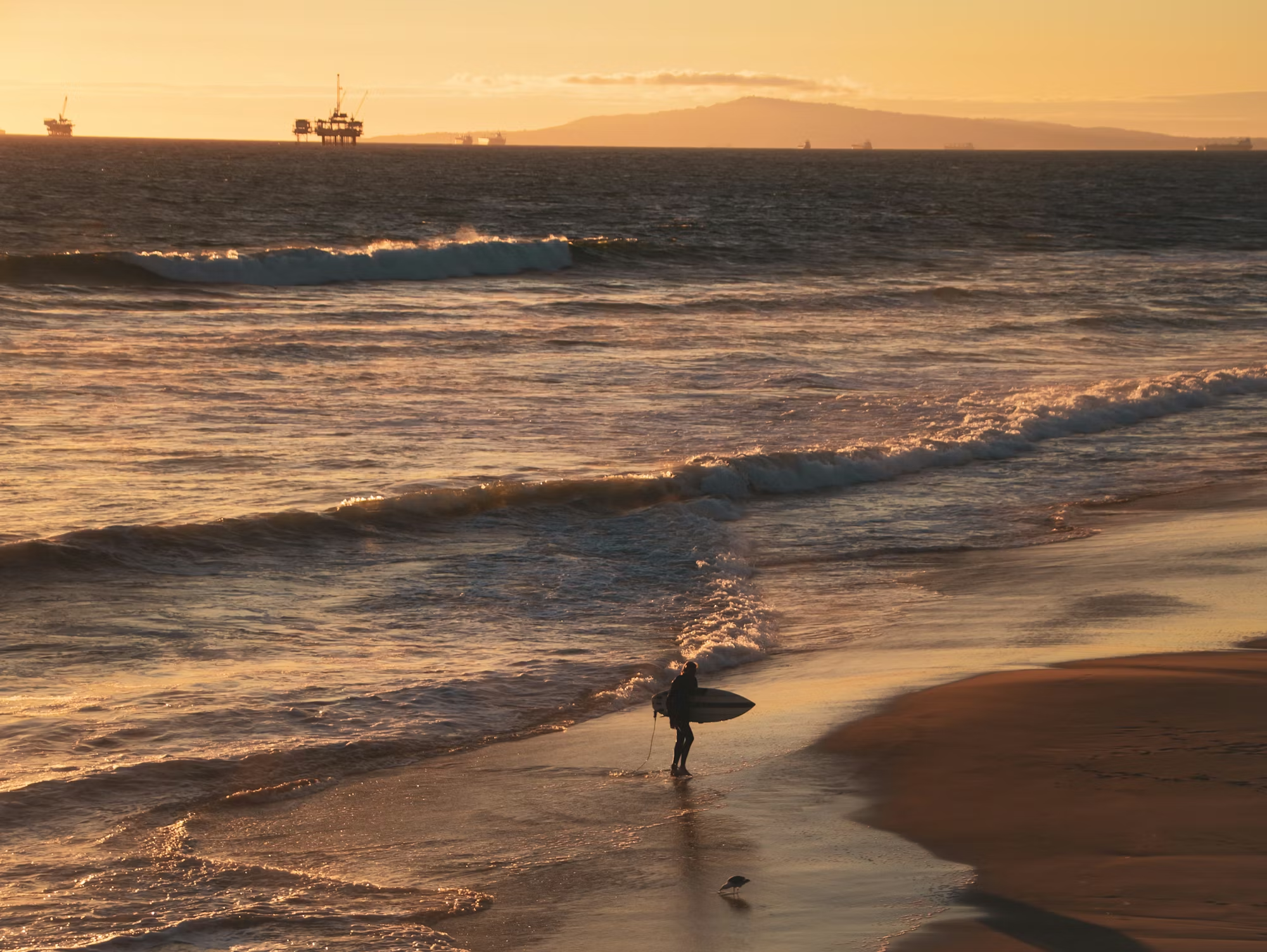
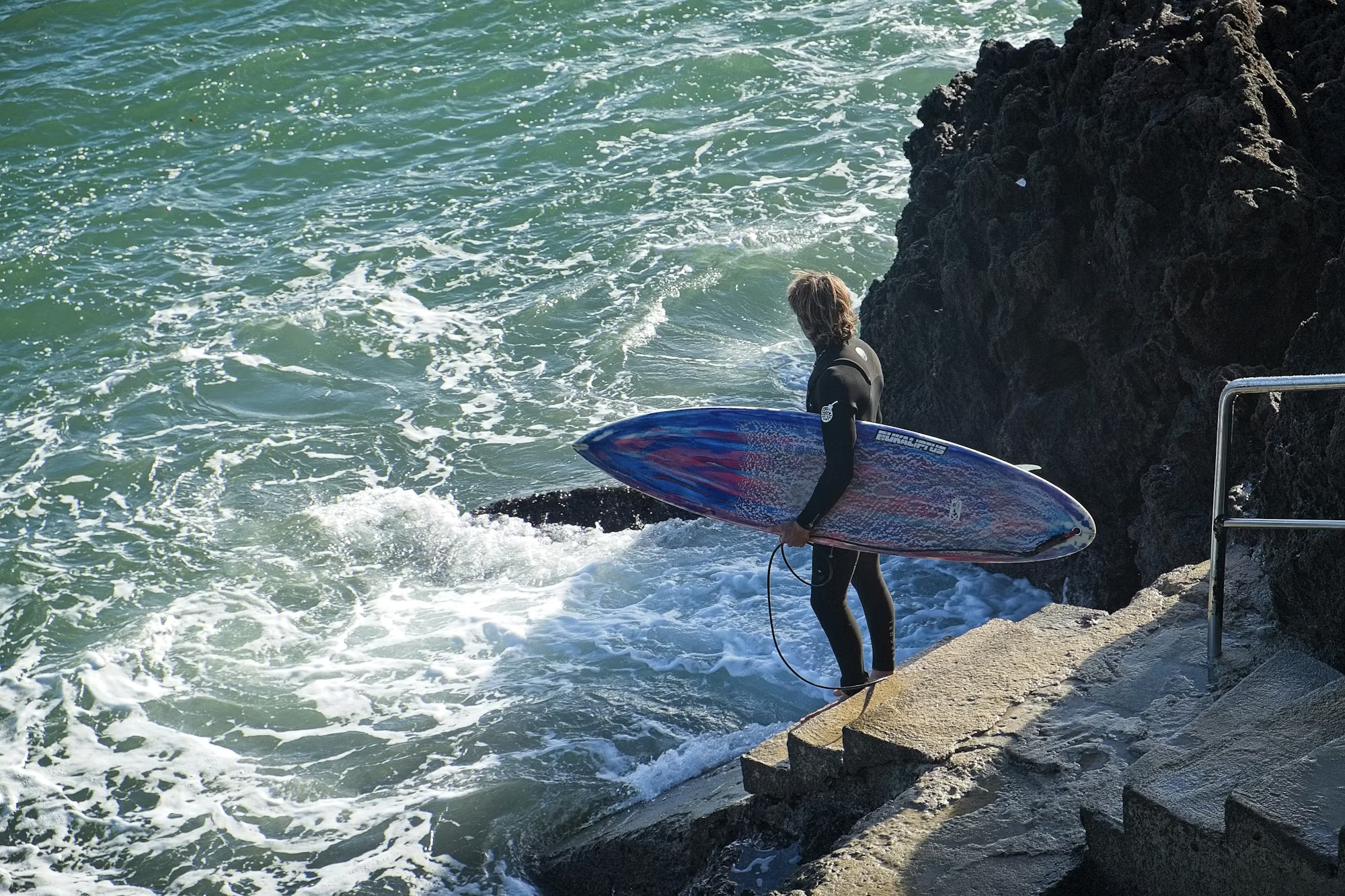
Surfing is not just a sport; it’s an art that combines skill, timing, and connection with the ocean. For both beginners and experienced surfers, mastering the fundamental techniques can significantly enhance the overall surfing experience. This article explores essential surfing techniques, from paddling to catching and riding waves, helping surfers develop their skills and confidence in the water. The journey begins with paddling, a crucial skill for all surfers. Effective paddling enables surfers to catch waves and maintain position in the lineup. To paddle efficiently, surfers should lie on their boards with their body centered, using their arms in a smooth, rhythmic motion. It’s essential to keep the elbows slightly bent and the hands cupped to maximize propulsion. Surfers should also focus on using their core muscles to stabilize their body while paddling, which can help increase speed and endurance. Another key aspect of paddling is understanding the positioning of the board. Surfers need to find the sweet spot on their board, typically around the center, to prevent the nose from sinking or the tail from lifting too much. Experimenting with body placement can make a significant difference in paddling efficiency. Once surfers have mastered paddling, the next step is catching waves. This skill requires a combination of timing, positioning, and technique. When a surfer spots a wave they want to catch, they need to paddle hard to match its speed, aiming to get into the wave just before it breaks. Watching for the wave’s peak and anticipating when it will start to break are crucial for successful wave catching. As the wave approaches, surfers should perform a strong, decisive paddle stroke to gain momentum. Timing is everything, and surfers need to be attuned to the wave’s rhythm. A common mistake for beginners is to start paddling too late, which can result in missing the wave entirely. Proper positioning is also vital when preparing to catch a wave. Surfers should be aware of their location relative to the wave and adjust their position accordingly. Sitting too far inside can lead to being caught inside the impact zone, while being too far outside can cause them to miss the wave. As surfers improve, they should also learn to read the ocean and identify the best waves to catch. Once a surfer has successfully caught a wave, the next challenge is transitioning from paddling to standing up on the board, known as the pop-up. The pop-up is a critical maneuver that requires practice and coordination. Surfers should start in a paddling position, then, as they feel the wave lift them, they must push up with their arms and simultaneously bring their feet under them. A common technique is to place the feet in a stance similar to that of a skateboard or snowboard, with one foot positioned toward the front of the board and the other foot at the back. It’s essential to practice the pop-up on land before attempting it in the water, as this can build muscle memory and confidence. Once surfers are standing on their boards, the next step is to ride the wave. Riding involves maintaining balance and using body weight to control the board’s direction and speed. Surfers should keep their knees slightly bent and their weight centered over the board. Leaning forward can increase speed, while leaning back can help with control when negotiating turns. One of the most exciting aspects of surfing is learning to perform turns and maneuvers while riding waves. The bottom turn is one of the first maneuvers surfers should master, allowing them to gain speed and set up for further moves. To execute a bottom turn, surfers should lean into the wave and shift their weight toward the back foot while maintaining a low center of gravity. As they approach the bottom of the wave, they can then pivot and redirect their board back up toward the wave face. Top turns can also be performed as surfers move up the wave face, allowing for quick changes in direction and speed. These techniques require practice, but they greatly enhance the surfing experience and make rides more dynamic. As surfers progress, they may also want to explore advanced techniques, such as cutbacks and aerials. A cutback is performed by carving back toward the wave’s power source, allowing surfers to maintain speed and flow. Aerials involve launching the board off the wave and performing tricks in the air before landing back on the wave. These advanced maneuvers require excellent balance, timing, and a deep understanding of wave dynamics. Safety is a critical consideration for all surfers, regardless of skill level. Before heading out, surfers should assess the conditions, including wave size, wind direction, and tide. It’s essential to choose a surf spot that matches one’s skill level and to be aware of any potential hazards, such as rocks or strong currents. Wearing appropriate safety gear, such as a wetsuit or leash, can also help prevent injuries. Furthermore, understanding surf etiquette is vital for maintaining a respectful and enjoyable surfing environment. Surfers should be aware of the rules regarding wave priority, ensuring that more experienced surfers have the right of way when catching waves. This creates a positive atmosphere in the lineup and promotes safety for everyone involved. For beginners, taking lessons from experienced instructors can significantly accelerate the learning process. Instructors can provide personalized guidance, helping beginners develop proper techniques while ensuring safety in the water. Additionally, learning alongside other beginners can foster a supportive community, allowing surfers to share experiences and motivate each other. As surfers gain experience, they should also focus on refining their technique and exploring different styles of surfing. Each surfer develops a unique approach based on personal preferences, wave conditions, and skill levels. Some may prefer shortboarding, which emphasizes quick maneuvers and aerial tricks, while others may enjoy longboarding for its smooth, classic style. Exploring different surfing disciplines can help surfers discover their strengths and passions within the sport. Lastly, maintaining a strong connection with the ocean is essential for any surfer. Surfing is not just about catching waves; it’s about immersing oneself in nature and embracing the beauty of the sea. Taking the time to appreciate the environment, respect marine life, and engage in sustainable practices can deepen the surfer’s connection to the sport. In conclusion, mastering surfing techniques requires dedication, practice, and a willingness to learn. From paddling and catching waves to performing turns and exploring advanced maneuvers, each skill builds upon the last. By focusing on fundamentals, maintaining safety, and fostering a connection with the ocean, surfers can enhance their performance and truly enjoy the thrilling experience that surfing offers. With persistence and passion, anyone can embark on the incredible journey of becoming a skilled surfer.
Exploring the World of Skateboarding: Styles, Techniques, and Culture
Skateboarding is much more than just a sport; it’s a lifestyle and a culture that has grown to encompass a diverse range of styles and communities. From the bustling streets to the ramps of skateparks, skateboarding provides an avenue for self-expression, creativity, and connection. This article delves into the various disciplines within skateboarding, exploring their distinct techniques, cultural significance, and the spirit of community that unites riders around the globe.
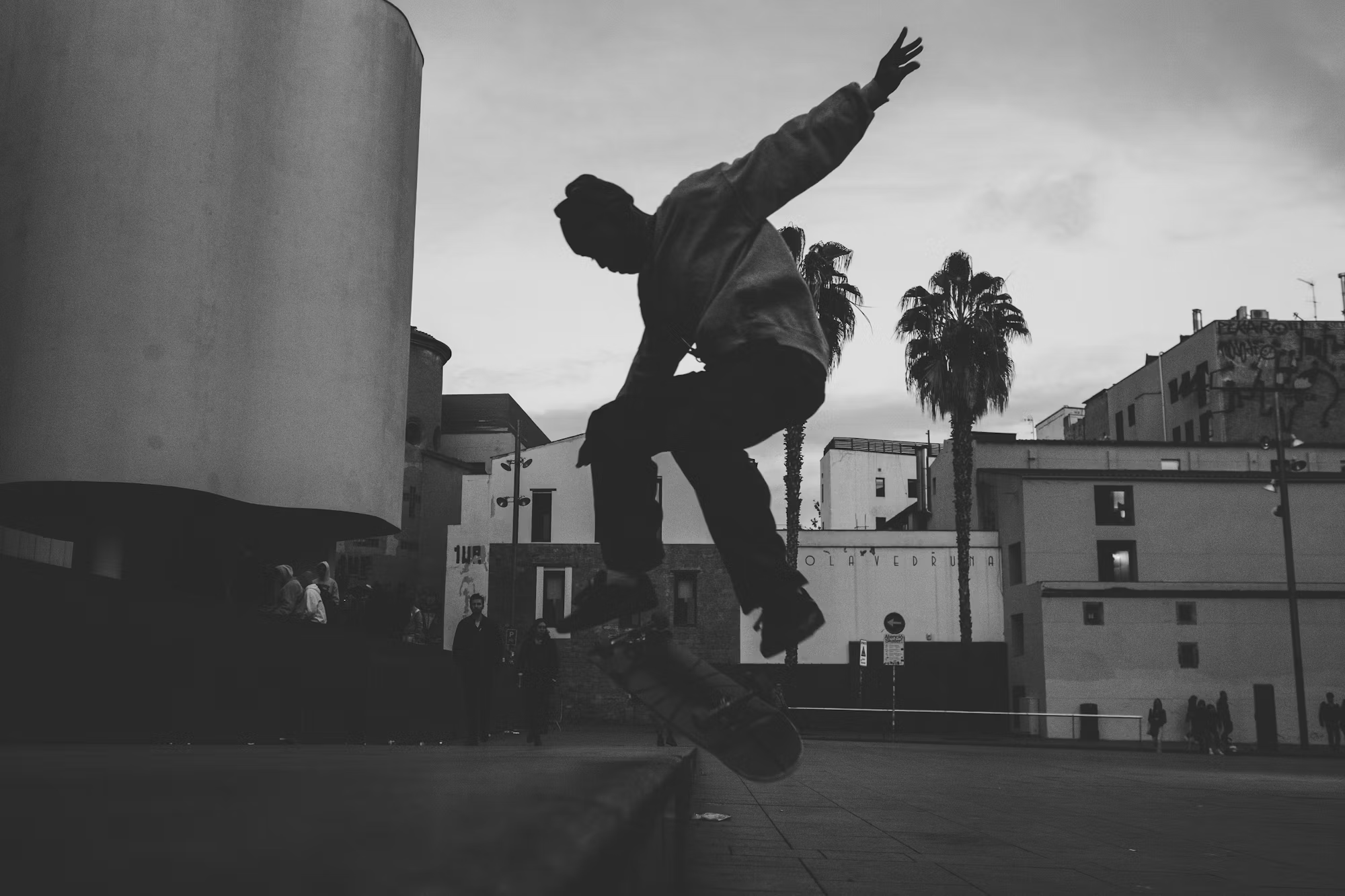
One of the most recognized forms of skateboarding is street skating, which brings the urban landscape into play. Skaters use everyday features like benches, stairs, and handrails to perform tricks, turning ordinary settings into their personal playgrounds. The heart of street skating lies in its emphasis on creativity and adaptability; each rider has the opportunity to express themselves by utilizing their surroundings in innovative ways. Tricks such as the ollie, kickflip, and grind require not only skill but also a keen eye for the urban environment, making street skating both a technical and artistic endeavor.
The community surrounding street skating is vibrant and engaging. Skaters often gather in specific areas, sharing their passion and supporting one another as they attempt to master new tricks. The camaraderie found in these urban spaces fosters a strong sense of belonging, as riders celebrate each other’s successes and provide encouragement during challenges. This collaborative atmosphere is a cornerstone of skate culture, promoting not just individual achievement but also collective joy and growth.
On the other end of the spectrum lies vert skateboarding, which focuses on high-flying tricks executed in halfpipes or ramps. This style requires riders to harness the physics of speed and height, launching themselves off vertical walls to perform spins, flips, and grabs. The thrill of soaring through the air adds an exhilarating element to vert skating, drawing both participants and spectators to competitions that showcase these spectacular skills. Vert competitions have evolved into grand events that highlight the athleticism and creativity of elite skaters, creating a thrilling environment for all involved.
In the realm of bowl and pool skating, riders navigate large, curved structures that allow for smooth transitions and fluid movement. This discipline emphasizes the artistry of skating, as skaters carve through the bowl, finding their rhythm and flow. The communal aspect of bowl skating is also noteworthy; riders often share the space, cheering each other on as they push their limits. The experience of riding in a bowl encourages creativity, allowing skaters to blend tricks and styles in a way that feels organic and expressive.
Freestyle skateboarding stands apart from other styles due to its focus on technical footwork and flatland tricks. This discipline requires precision and balance, with skaters performing intricate movements on smooth surfaces. Unlike street or vert skating, freestyle emphasizes the individual’s style and creativity, inviting riders to develop unique combinations of tricks. Popular moves such as the casper slide and 360 shove-it showcase the rider’s skill and innovation, contributing to the rich tapestry of skateboarding culture.
Longboarding has emerged as a beloved subculture within skateboarding, attracting those who appreciate a more laid-back, cruisy experience. Longboards are designed for stability and comfort, making them ideal for leisurely rides, carving down hills, or simply cruising through neighborhoods. This style emphasizes the joy of movement and the connection with the environment, allowing riders to appreciate the world around them as they skate. Longboarding encourages a sense of freedom, as skaters can traverse long distances and enjoy the thrill of gliding effortlessly.
The thrill of downhill longboarding adds an adrenaline-fueled twist to this discipline. Riders tackle steep hills, experiencing the rush of speed while maintaining control and stability. The challenge of navigating sharp turns and varying terrains keeps skaters coming back for more, pushing them to hone their skills and test their limits. In addition to downhill, slalom longboarding emphasizes precision, as skaters weave through a series of cones, showcasing their agility and technical prowess.
Park skateboarding combines various elements found in skateparks, including ramps, bowls, and rails. This environment allows skaters to experiment with a multitude of tricks, promoting creativity and versatility. Skateparks serve as community hubs where riders of all ages and skill levels come together to learn, share ideas, and support one another. The atmosphere within skateparks is often electric, as skaters inspire each other to take risks and push their boundaries.
For those seeking adventure off the beaten path, off-road or all-terrain skateboarding offers an exciting alternative. This style utilizes specialized boards with larger tires, allowing riders to tackle rough terrain like dirt trails and grassy hills. Off-road skating provides a unique connection to nature, blending the thrill of skateboarding with the beauty of the outdoors. The challenges presented by varying terrains encourage riders to adapt their techniques, fostering resilience and creativity.
Crossover styles have also gained traction in the skateboarding community, reflecting the spirit of innovation and experimentation. By blending elements from various disciplines, riders can create dynamic performances that challenge traditional notions of skateboarding. This fusion not only enriches the individual rider’s experience but also contributes to the ongoing evolution of skate culture.
As skateboarding continues to grow, it remains a celebration of individuality and community. From the streets to the ramps, each discipline offers unique challenges and opportunities for self-expression. The culture surrounding skateboarding fosters a sense of connection among riders, inspiring them to explore their passions and support one another.
In conclusion, skateboarding is a multifaceted sport that invites individuals to embrace their creativity and hone their skills. Whether you are just starting out or are an experienced rider, there is a style of skateboarding that resonates with your journey. Embrace the thrill of skateboarding, and allow it to inspire you to explore, create, and connect within this vibrant community.
Exploring the Art of Gardening: Techniques for Every Plant Enthusiast
Gardening is more than just a hobby; it’s an art form that allows individuals to connect with nature while cultivating beauty and sustenance. From the vibrant colors of flowers to the lush greenery of vegetables, gardening offers a sensory experience that brings joy and fulfillment. Whether you’re planting a small herb garden on your windowsill or transforming a large backyard into a lush oasis, understanding different gardening techniques can significantly enhance your gardening journey. In this article, we will explore a variety of gardening methods and provide tips to help you cultivate a thriving garden.
Understanding Different Gardening Techniques
Gardening techniques vary widely, and the best method often depends on your specific goals, space, and the types of plants you wish to grow. By familiarizing yourself with these methods, you can choose the right approach to achieve your gardening dreams.
1. Traditional Gardening
Traditional gardening involves cultivating plants in soil, either in the ground or in raised beds. This method is accessible and versatile, making it suitable for beginners and experienced gardeners alike.
1.1 Raised Bed Gardening
Raised bed gardening is a popular technique that involves creating elevated planting areas using wooden frames, bricks, or other materials. This method offers several advantages, including improved soil drainage, extended growing seasons, and easier access for weeding and harvesting. Raised beds can be tailored to any size, making them ideal for urban environments with limited space. Additionally, gardeners have more control over soil quality, enabling them to create the perfect growing environment for their plants.
1.2 Container Gardening
Container gardening is an excellent option for those with limited space, such as apartment dwellers or those with small yards. This technique involves growing plants in pots, which can be placed on patios, balconies, or windowsills. Container gardening allows for a wide variety of plants, from herbs to flowers to small fruit-bearing plants. It’s important to choose the right potting mix and ensure adequate drainage for healthy plant growth. With proper care, container gardens can flourish in even the smallest of spaces.
2. Organic Gardening: Nurturing Nature
Organic gardening focuses on growing plants without synthetic fertilizers or pesticides, promoting a more sustainable and eco-friendly approach to gardening. This method encourages biodiversity and enhances soil health, resulting in a thriving garden ecosystem.
2.1 Soil Health
In organic gardening, soil health is paramount. Gardeners often use compost, mulch, and organic fertilizers to enrich the soil and provide essential nutrients to plants. Composting kitchen scraps and yard waste not only reduces landfill waste but also creates a nutrient-rich amendment for your garden. By maintaining healthy soil, organic gardeners can produce robust plants that are more resilient to pests and diseases.
2.2 Pest Management
Organic pest management emphasizes prevention and natural solutions. Techniques such as companion planting, crop rotation, and introducing beneficial insects (like ladybugs) help control pest populations without harmful chemicals. By creating a balanced ecosystem, organic gardeners can minimize pest issues while maintaining plant health.
3. Hydroponic Gardening: Growing Without Soil
Hydroponic gardening is an innovative method that allows plants to grow in a nutrient-rich water solution instead of soil. This technique is gaining popularity due to its efficiency and potential for higher yields in limited spaces.
3.1 Nutrient Solutions
In hydroponics, plants receive essential nutrients directly from the water, allowing for rapid growth. Hydroponic systems can be set up in various forms, such as deep water culture, nutrient film technique, or aeroponics. Each system has its own advantages, and choosing the right one depends on the gardener’s goals and available space. Hydroponics is particularly effective for growing leafy greens, herbs, and even fruits in controlled environments.
3.2 Environmental Control
One of the significant benefits of hydroponic gardening is the ability to control environmental factors such as light, temperature, and humidity. Many hydroponic systems are designed for indoor use, allowing year-round gardening regardless of outdoor conditions. This level of control can lead to faster growth rates and healthier plants.
4. Permaculture: Designing Sustainable Systems
Permaculture is a holistic approach to gardening that seeks to create sustainable and self-sufficient ecosystems. By mimicking natural processes, permaculture emphasizes long-term productivity and environmental harmony.
4. 1 Companion Planting
Companion planting is a key principle in permaculture, involving the strategic placement of plants that benefit each other. For example, planting marigolds alongside vegetables can deter pests, while certain herbs can enhance the flavor of neighboring plants. Understanding the relationships between plants can lead to more productive and healthier gardens.
4.2 Water Management
Effective water management is crucial in permaculture. Techniques such as rainwater harvesting, swales, and mulching help retain moisture in the soil and reduce the need for irrigation. By designing landscapes that capture and utilize water efficiently, gardeners can create resilient systems that thrive in various climates.
5. Vertical Gardening: Maximizing Space
Vertical gardening is an excellent solution for those with limited horizontal space. This technique involves growing plants upward, using structures such as trellises, wall planters, or vertical frames.
5.1 Trellises and Arches
Using trellises and arches can add visual interest to your garden while allowing climbing plants, such as cucumbers and beans, to flourish. Vertical gardening not only maximizes space but also enhances air circulation and sunlight exposure, leading to healthier plants.
5.2 Vertical Planters
Vertical planters come in various forms, including pocket planters and stacked pots. These innovative designs allow for the growth of herbs, flowers, and even small vegetables in compact areas. Vertical gardening can be particularly beneficial for urban gardeners looking to beautify small spaces.
6. Seasonal Gardening: Embracing the Calendar
Seasonal gardening involves planning your garden activities based on the time of year. Understanding the seasonal needs of plants helps maximize productivity and ensures that your garden thrives throughout the year.
6.1 Crop Rotation
Crop rotation is a technique that involves changing the types of plants grown in a specific area each season. This practice helps prevent soil depletion and reduces the risk of pests and diseases. By rotating crops, gardeners can maintain healthy soil and ensure sustainable growth.
6.2 Succession Planting
Succession planting involves staggering the planting of crops to ensure a continuous harvest. For example, planting a new batch of lettuce every few weeks allows for a steady supply throughout the growing season. This technique is especially useful for quick-growing crops and helps maximize garden productivity.
Tips for Successful Gardening
To enhance your gardening experience, consider these helpful tips:
– Research Plant Needs: Understanding the specific requirements of your plants, such as sunlight, water, and soil type, is crucial for success. Tailoring your approach to meet these needs will lead to healthier, more productive plants.
– Stay Organized: Keeping a gardening journal can help you track planting dates, growth patterns, and successes or challenges you encounter. This documentation can inform future gardening decisions and improve your skills over time.
– Embrace Experimentation: Gardening is a learning experience, and not every attempt will be successful. Embrace the opportunity to experiment with different techniques, plants, and approaches. Each season offers new lessons and insights.
– Connect with the Community: Joining local gardening clubs or online forums can provide valuable support and resources. Engaging with fellow gardeners allows you to share experiences, tips, and inspiration.
– Enjoy the Process: Above all, remember to enjoy the journey of gardening. Whether you’re planting seeds, watching them grow, or harvesting your first fruits, each step is an opportunity to connect with nature and cultivate a sense of accomplishment.
Conclusion
Gardening is a fulfilling and enriching activity that offers numerous benefits, from providing fresh produce to enhancing mental well-being. By exploring various gardening techniques and understanding the principles behind them, you can create a thriving garden that reflects your personality and values. Whether you choose traditional gardening, embrace organic methods, or experiment with innovative techniques like hydroponics or vertical gardening, the possibilities are endless. As you nurture your plants and watch them flourish, you’ll not only cultivate a beautiful garden but also a deeper connection to the natural world around you. Happy gardening!
Beneath the Waves: Discovering the Rich Diversity of Diving Experiences
Diving offers an incredible opportunity to explore the underwater world, with each diving discipline providing its own unique experiences and insights. From the vibrant life of coral reefs to the serene depths of submerged caves, the ocean is a treasure trove waiting to be discovered. This article takes a closer look at the diverse styles of diving, showcasing what makes each one special and how they contribute to a greater appreciation of marine environments.
Scuba Diving: The Gateway to Underwater Exploration
Scuba diving stands as one of the most popular forms of underwater exploration, inviting both beginners and experienced divers to immerse themselves in the ocean. Using self-contained underwater breathing apparatus (scuba), divers can navigate the aquatic realm with ease, exploring coral reefs, shipwrecks, and a variety of marine life. The beauty of scuba diving lies not only in its accessibility but also in the unforgettable encounters it offers.
Many dive schools around the world provide training for beginners, ensuring they develop the necessary skills and knowledge to dive safely. This often includes understanding buoyancy control, dive planning, and equipment management, all of which are essential for a successful diving experience. Once certified, divers can explore numerous dive sites that showcase the stunning diversity of marine ecosystems.
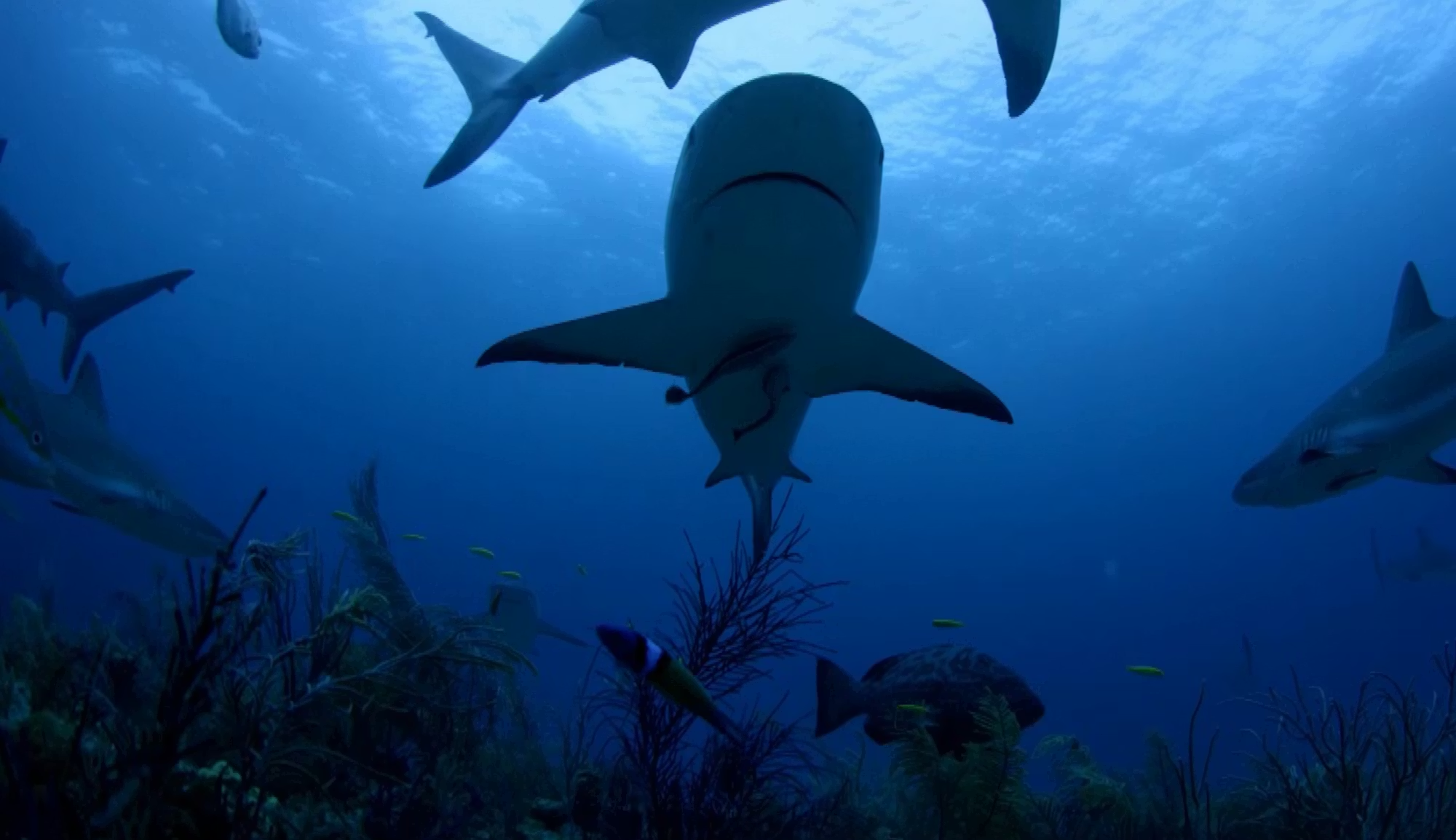
Reef dives, for example, reveal the vibrant colors and intricate structures of coral formations. These underwater gardens serve as habitats for a myriad of fish species, sea turtles, and other marine creatures. The interactions that divers have with these ecosystems foster a deep appreciation for the fragility and beauty of ocean life, often inspiring individuals to advocate for marine conservation.
Technical Diving: Challenging the Limits
For those seeking a more advanced and thrilling adventure, technical diving presents an exciting opportunity. This discipline involves specialized training and equipment that allow divers to explore depths and environments beyond recreational limits. Technical divers often venture into challenging locations, such as deep wrecks, underwater caves, and areas with complex currents.
One of the defining aspects of technical diving is the emphasis on safety and meticulous planning. Divers are trained to manage gas supplies, execute complex dive plans, and address potential emergencies. The use of mixed gas systems and advanced equipment, such as rebreathers, enhances the experience, enabling divers to explore longer and deeper than traditional scuba diving allows.
The thrill of technical diving lies in the unique environments that can be explored. Navigating through submerged wrecks or gliding through intricate cave systems offers an exhilarating sense of adventure. Each dive becomes a journey into the unknown, revealing the mysteries of the ocean while fostering a strong sense of camaraderie among fellow divers who share this passion.
Freediving: Embracing Breath and Serenity
Freediving, or apnea diving, invites individuals to explore the underwater world without the use of breathing apparatus. This discipline emphasizes breath-holding techniques and relies on the diver’s ability to connect with the ocean through their own breath. Freediving offers a different kind of adventure, focusing on the meditative aspects of diving while allowing individuals to experience the beauty of the underwater environment.
Freediving can take many forms, from static apnea—where divers hold their breath underwater for extended periods—to dynamic apnea, which involves swimming distances underwater on a single breath. Competitive freediving has grown in popularity, showcasing the incredible feats that athletes can achieve. However, the essence of freediving is the tranquility it brings, encouraging divers to embrace the silence of the ocean.
As freedivers descend into the depths, they often discover a profound connection to the marine environment. The simplicity of the discipline—requiring minimal equipment—makes it appealing for those seeking a more intimate experience with the ocean. Many freedivers find that the practice enhances their mindfulness and appreciation for the natural world, promoting a sense of peace and well-being.
Snorkeling: The Perfect Introduction
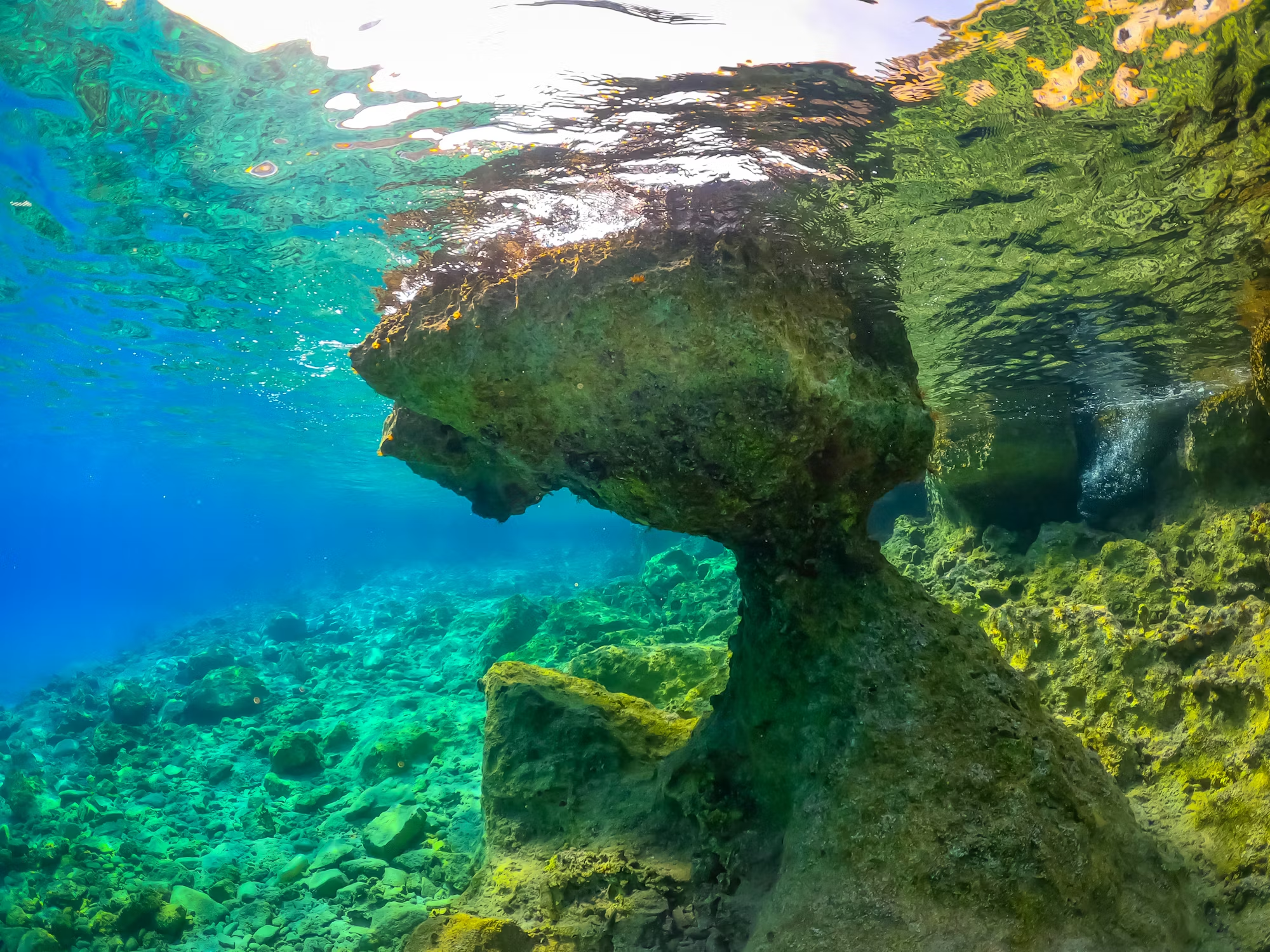
Snorkeling serves as an ideal gateway for individuals to experience the wonders of the underwater world without the need for extensive training or equipment. With a mask, snorkel, and fins, snorkelers can float on the water’s surface and observe the vibrant life beneath them. This style of diving is particularly popular in shallow waters, where colorful reefs and marine life abound.
The beauty of snorkeling lies in its accessibility, making it suitable for people of all ages. Many tropical destinations offer guided snorkeling tours, allowing individuals to explore underwater ecosystems while learning about marine conservation. These tours often provide insights into the importance of protecting delicate marine environments, inspiring snorkelers to become advocates for ocean health.
Snorkeling experiences can be both exhilarating and educational. Observing schools of fish darting among coral formations or spotting a curious sea turtle can create lasting memories. As individuals gain confidence and interest in the underwater realm, many choose to pursue scuba diving or other more advanced forms of diving, further deepening their connection to the ocean.
Commercial Diving: A Professional Pursuit
Commercial diving encompasses a wide range of professional activities conducted underwater, primarily in industries such as construction, maintenance, and marine research. This discipline requires specialized training and skills, as commercial divers often work with heavy equipment and operate in challenging conditions.
Tasks performed by commercial divers vary widely. They may inspect underwater infrastructure, conduct repairs on oil rigs, or engage in environmental research projects. Each role demands a combination of technical expertise, teamwork, and adaptability, making commercial diving a fulfilling career for those passionate about the ocean.
Commercial divers contribute significantly to the safety and functionality of underwater structures, ensuring that essential services and infrastructure remain operational. Their work plays a crucial role in various industries, highlighting the importance of underwater exploration in supporting modern society.
Underwater Photography and Videography: Capturing Nature’s Beauty
Underwater photography and videography have gained popularity among divers, providing a creative outlet to document the stunning beauty of marine life. With specialized camera equipment designed for underwater use, photographers can capture the vivid colors and intricate details of the underwater environment.
The art of underwater photography requires skill, patience, and an understanding of marine ecosystems. Capturing the perfect shot often involves waiting for the right moment and observing the behavior of marine creatures. This creative aspect enhances the overall diving experience, allowing individuals to engage with the underwater world on a deeper level.
Photographers and videographers often share their work through social media and exhibitions, inspiring others to appreciate and protect the ocean. Their images can serve as powerful reminders of the beauty and fragility of marine ecosystems, encouraging viewers to take action in support of conservation efforts.
Cave Diving: Exploring Hidden Realms
Cave diving offers a unique opportunity to explore submerged cave systems, revealing the stunning geological formations and hidden ecosystems that lie beneath the surface. This discipline requires specialized training due to the confined spaces and potential hazards associated with underwater caves. Divers must be proficient in navigation techniques and emergency protocols to ensure safety while exploring these mesmerizing environments.
The allure of cave diving lies in the breathtaking formations and the tranquility of exploring hidden realms. Divers may encounter stunning stalactites, crystal-clear waters, and diverse aquatic life, creating an unforgettable experience. However, cave diving demands discipline and respect for the environment, as divers must adhere to strict safety measures and remain within their limits.
Ice Diving: A Unique Experience
Ice diving presents an extraordinary opportunity to explore underwater environments covered by ice, often in frozen lakes or seas. This challenging discipline requires specialized training and equipment to navigate the cold temperatures and potential hazards associated with ice-covered waters.
The experience of ice diving is unlike any other, as divers witness the stunning contrast between the stark white ice above and the vibrant underwater world below. The unique conditions can also reveal fascinating marine life that thrives in cold environments, adding to the wonder of the experience.
Ice diving is not only a test of skill but also an exploration of the beauty of nature. As divers navigate through underwater ice formations, they gain a deeper understanding of the delicate balance of ecosystems that exist in extreme conditions, fostering a sense of respect for the ocean.
Night Diving: A Different Perspective
Night diving transforms the underwater experience, revealing a different world as nocturnal marine life comes alive. With specialized lights, divers can explore the ocean in a way that daytime dives cannot offer. This discipline allows divers to witness unique behaviors of marine creatures and experience the serenity of the underwater environment after dark.
The beauty of night diving lies in its unpredictability and the opportunity for discovery. Divers may encounter bioluminescent organisms, active predators, and species that only emerge at night. This unique perspective can deepen a diver’s appreciation for the ocean and its diverse inhabitants, creating a sense of wonder and connection to the underwater world.
Conclusion: A World of Discovery Awaits
Diving offers a rich tapestry of experiences, each discipline providing unique insights into the underwater world. From the vibrant life of recreational diving to the intricate challenges of technical diving, each style fosters a profound appreciation for the ocean and its ecosystems. As divers engage with these diverse forms of exploration, they enhance their own experiences while contributing to the broader understanding of marine conservation. The ocean is a treasure trove of discovery, waiting to be explored, and diving serves as a gateway to a deeper connection with nature. Embrace the adventure, respect the environment, and enjoy the journey into the depths of the sea.
Cycling Adventures: Exploring the World on Two Wheels
Cycling is more than just a mode of transport; it’s a gateway to adventure, fitness, and community. As a versatile activity, cycling can be enjoyed by individuals of all ages and abilities, making it an inclusive sport that promotes a healthier lifestyle. In this article, we will explore the myriad benefits of cycling, delve into various styles, and highlight the adventures that await those who choose to ride. Whether you’re a seasoned cyclist or just starting out, the world of cycling offers endless possibilities for exploration and enjoyment.
The Physical Benefits of Cycling
One of the primary reasons people take up cycling is for its numerous health benefits. Regular cycling not only improves cardiovascular fitness but also enhances overall physical health. With its low-impact nature, cycling is suitable for individuals of all fitness levels, making it a sustainable choice for long-term health.
Cardiovascular Fitness
Cycling is an excellent way to improve cardiovascular health. It elevates your heart rate, promoting better circulation and reducing the risk of heart disease. Regular cyclists often enjoy improved heart function and lung capacity, leading to increased stamina and energy levels. Studies have shown that consistent cycling can significantly reduce the risk of developing chronic health issues, contributing to a longer, healthier life.
Muscle Strength and Tone
As a full-body workout, cycling engages various muscle groups, particularly in the legs. The quadriceps, hamstrings, calves, and glutes are all activated during pedaling, leading to enhanced muscle strength and tone. Furthermore, cycling also engages the core and upper body, especially during climbs or when maneuvering through turns. This comprehensive engagement contributes to a balanced physique and improved posture, which can be beneficial in daily activities.
Joint Health and Flexibility
Cycling promotes flexibility and joint health, making it an ideal exercise for people with joint concerns. The low-impact nature of cycling reduces the stress placed on joints compared to high-impact sports, allowing individuals to stay active without risking injury. The repetitive motion of pedaling helps maintain joint mobility, ensuring that the body remains agile and functional.
Mental Health and Well-Being
In addition to physical benefits, cycling has significant positive effects on mental health. Engaging in regular physical activity like cycling can reduce stress, anxiety, and depression while boosting overall mood. The combination of exercise, fresh air, and the joy of riding creates a powerful antidote to daily pressures.
Stress Relief and Relaxation
Cycling can serve as a fantastic way to unwind and escape the stresses of daily life. The rhythmic motion of pedaling and the soothing sounds of nature create a meditative experience that can help clear the mind. Many cyclists find that a ride helps them gain perspective on their problems, leading to a sense of calm and clarity.
Enhanced Mood and Happiness
Exercise is known to release endorphins, the body’s natural mood lifters. Cycling, in particular, provides an enjoyable way to elevate these feel-good hormones. As riders push themselves physically, they often experience a surge of happiness and satisfaction that boosts their overall outlook on life. The combination of physical exertion and the joy of being outdoors can lead to increased feelings of accomplishment and self-esteem.
Boosting Creativity and Focus
Cycling also has cognitive benefits. The increase in blood flow to the brain during exercise enhances focus, creativity, and problem-solving abilities. Many people find that cycling provides them with a fresh perspective on challenges they face, leading to innovative solutions and greater productivity. The mental clarity gained from cycling can be particularly beneficial for those juggling demanding careers or personal responsibilities.
The Joy of Adventure
One of the most exciting aspects of cycling is the sense of adventure it brings. Whether you’re exploring local trails, venturing into the mountains, or embarking on a cross-country journey, cycling opens up a world of exploration and discovery.
Discovering New Landscapes
Cycling allows riders to connect with their surroundings in a unique way. The ability to traverse a variety of terrains—from serene park paths to challenging mountain trails—provides endless opportunities for discovery. Each ride presents a chance to uncover hidden gems in nature, whether it’s a scenic viewpoint, a quiet stream, or a picturesque village. The thrill of discovering new routes can inspire riders to venture further and challenge themselves.
Bike Touring: A Journey of Discovery
For those seeking extended adventures, bike touring offers a remarkable way to explore new regions. This style of cycling involves long-distance rides, often spanning several days or weeks, allowing riders to immerse themselves in different cultures and landscapes. Whether navigating through rolling hills, bustling cities, or tranquil countryside, bike touring creates unforgettable experiences and lasting memories.
Connecting with Nature
Cycling provides an opportunity to experience the great outdoors in a way that is often lost in today’s fast-paced, technology-driven world. The feeling of wind on your face, the sounds of rustling leaves, and the sights of beautiful landscapes create a sensory experience that invigorates the soul. Many cyclists find that their time spent riding enhances their appreciation for nature, motivating them to engage in conservation efforts and promote environmental awareness.
Building Community and Connections
Cycling is not only an individual pursuit but also a fantastic way to connect with others. Whether through local cycling clubs, organized events, or informal group rides, cyclists often find a sense of camaraderie among fellow enthusiasts.
Joining Cycling Clubs
Cycling clubs provide a welcoming environment for riders of all skill levels. These clubs often organize regular group rides, social events, and workshops, fostering a supportive community for cyclists. Joining a club allows individuals to meet others who share a passion for cycling, making it easier to find riding partners and participate in group outings.
Participating in Events
From charity rides to competitive races, cycling events bring people together for a common cause. Participating in these events fosters a sense of belonging and achievement, often leading to lasting friendships among cyclists. Many riders find that these shared experiences create a supportive network, helping them stay motivated and committed to their cycling goals.
Family-Friendly Cycling
Cycling can also be a fantastic family activity, promoting healthy habits among younger generations. Family bike rides provide opportunities for bonding and create lasting memories. Many cities host family-friendly cycling events, encouraging community engagement and active lifestyles for all ages. These activities not only promote fitness but also strengthen family ties and create a sense of togetherness.
Conclusion: Embrace the Cycling Lifestyle
Cycling is more than a pastime; it’s a lifestyle that promotes health, adventure, and community. With its numerous physical and mental benefits, cycling enhances overall well-being while providing a platform for exploration and social connection. Whether you prefer the thrill of mountain biking, the speed of road cycling, or the joy of leisurely rides with friends, there’s a style of cycling for everyone. So grab your bike, hit the road or trail, and discover the countless joys that cycling has to offer. Adventure awaits, and the world is yours to explore on two wheels!
Discovering the Depths: A Journey Through the World of Diving
Diving is an exhilarating way to explore the wonders of the underwater world. With each dive, adventurers are transported to a realm filled with vibrant colors, diverse marine life, and stunning landscapes. This article examines the various types of diving, showcasing the distinctive experiences they offer and the skills required to navigate this fascinating domain. Recreational scuba diving stands out as one of the most popular forms of diving. This discipline allows divers to immerse themselves in breathtaking marine ecosystems using a self-contained underwater breathing apparatus. Scuba diving attracts enthusiasts eager to explore shallow lagoons, vibrant coral reefs, and intriguing shipwrecks. Iconic destinations like the Great Barrier Reef in Australia, the coral gardens of Belize, and the crystal-clear waters of the Maldives beckon divers from all corners of the globe. To embark on this underwater adventure, aspiring divers typically enroll in certification courses offered by recognized organizations such as PADI or SSI. These courses provide essential training in safety protocols, equipment usage, and basic dive techniques, preparing divers for the exhilarating experiences that await them beneath the waves. With certification, divers can confidently explore deeper waters and more challenging sites, each dive offering a new opportunity for wonder. For those looking for a more intense diving experience, technical diving provides an exciting avenue for exploration. This advanced discipline requires specialized training and equipment, allowing divers to venture into deeper and more complex underwater environments, such as caves and wrecks. Technical divers often utilize mixed gases to extend their bottom times and minimize risks associated with deep dives. The training involved is rigorous, focusing on emergency procedures, equipment management, and meticulous planning. This level of preparation equips divers to navigate the unique challenges of technical diving, unlocking access to extraordinary dive sites that few get to experience. On the other hand, snorkeling offers a more accessible way to enjoy the underwater world without the need for extensive training. Armed with just a mask, snorkel, and fins, snorkelers can glide along the surface, observing marine life and colorful coral formations in shallow waters. This activity is perfect for families and beginners, allowing spontaneous adventures without the complexities of diving gear. Popular snorkeling spots, such as the coasts of Hawaii and the stunning coral reefs of Australia, feature calm, clear waters filled with diverse marine creatures. Guided snorkeling tours enhance the experience, leading participants to the best spots for observation. Freediving, or apnea diving, presents a unique approach to underwater exploration by focusing on breath-holding techniques and the ability to dive without equipment. Freedivers train to enhance lung capacity and develop relaxation methods, enabling them to explore significant depths using only their breath. This discipline attracts those who wish to push their limits and embrace the tranquility of the underwater environment. Competitive freediving includes various disciplines such as static apnea, dynamic apnea, and depth disciplines. Competitors aim to set impressive records at remarkable depths, showcasing extraordinary skills and mental focus. Recreational freediving offers a meditative experience, allowing divers to connect with the underwater world on a deeper level. The calmness of the water and the graceful movements of marine life create a serene atmosphere that many find rejuvenating. In the professional realm, commercial diving encompasses a variety of underwater work across numerous industries, including construction, maintenance, inspection, and marine research. This discipline requires extensive training and certification to ensure safety and competence in challenging environments. Commercial divers perform a wide range of tasks, from underwater welding and construction to salvage operations and scientific research. Working in teams, they utilize specialized equipment and technology to accomplish their objectives efficiently. The demand for skilled commercial divers continues to grow, providing numerous opportunities in sectors such as oil and gas, marine conservation, and underwater infrastructure development. Another captivating aspect of diving is underwater photography and videography. Utilizing specialized cameras and housing, divers can capture stunning images and footage of marine life, underwater landscapes, and unique encounters. This discipline combines diving skills with artistic expression, requiring divers to master their equipment while considering lighting and composition. Many divers find that photography enhances their appreciation for the underwater realm, encouraging them to explore more thoughtfully and observe the intricate details of marine ecosystems. Underwater photographers and videographers frequently share their work through social media, documentaries, and exhibitions, raising awareness about marine conservation and inspiring others to appreciate the beauty hidden beneath the waves. For the adventurous spirit, cave diving presents an exhilarating challenge. This discipline necessitates specialized training and equipment, as cave diving involves navigating submerged cave systems that can pose unique challenges, including limited visibility and confined spaces. Cave divers often uncover breathtaking geological formations and unique ecosystems, making each dive a remarkable journey into the unknown. The allure of exploring these hidden underwater worlds captivates many, emphasizing the importance of thorough training and adherence to safety protocols in this thrilling field. Ice diving introduces yet another exciting opportunity for divers to explore. This discipline involves diving under ice-covered bodies of water, such as frozen lakes or seas. Ice divers typically wear dry suits to stay warm and must follow strict safety measures to ensure a secure diving experience. Ice diving unveils a completely different underwater environment, characterized by the ethereal beauty and the tranquil stillness of ice above. Many ice divers are fascinated by the chance to observe unique marine life adapted to colder waters, creating an extraordinary and captivating experience. Night diving adds an exciting twist to traditional diving adventures, allowing divers to experience the underwater world in a completely different light. Diving after sunset reveals nocturnal marine life, which is often more active during the night. Equipped with specialized lights, night divers illuminate the underwater environment, unveiling the fascinating behaviors of marine creatures that are rarely seen during the day. Night dives provide a unique perspective on familiar dive sites, enhancing the thrill of underwater exploration and discovery. Reef diving focuses on exploring coral reefs, showcasing some of the most biodiverse ecosystems on our planet. These vibrant underwater gardens teem with life, including colorful fish, corals, and various marine organisms. The beauty and complexity of reef systems attract divers from around the world, making them popular destinations for both recreational and scientific diving. With a growing awareness of environmental challenges, many divers actively participate in conservation efforts to protect these vital ecosystems, contributing to the sustainability of marine life and habitats. Wreck diving invites divers to explore sunken ships, aircraft, and historical artifacts that rest on the ocean floor. Each wreck tells a unique story, offering a glimpse into the past and the opportunity for exploration. Renowned wrecks, such as the RMS Titanic and the USS Arizona, have become iconic dive sites, drawing history enthusiasts and marine life admirers alike. While wreck diving presents exciting adventures, it requires knowledge of safe diving practices, as these sites can pose unique challenges like strong currents or unstable structures. The rewards of exploring these underwater time capsules can be extraordinary, merging adventure with historical discovery. In conclusion, diving encompasses a vast array of disciplines, each offering unique experiences and opportunities for exploration. Whether you are drawn to recreational scuba diving, the challenges of technical diving, or the artistry of underwater photography, there is a diving discipline suited for every adventurer. As divers, we are privileged to discover and appreciate the incredible beauty of the underwater world. With proper training, respect for the environment, and a spirit of adventure, diving can become a fulfilling pursuit that connects us to the fascinating mysteries that lie beneath the surface.