Exploring the Thrill of Surfing: A Deep Dive into Techniques and Styles

Surfing, an exhilarating activity that connects individuals with the vast ocean, has become a cultural phenomenon around the globe. With roots dating back to ancient Polynesian culture, it has transformed over centuries into a diverse sport with multiple styles and techniques. In this article, we will explore the different types of surfing, the techniques involved, and the vibrant community that unites surfers from all walks of life.

Historically, surfing, or ‘he’e nalu’ as it was known in ancient Hawaii, was more than just a sport; it represented a way of life. The Polynesians revered the ocean, and surfing served as a social and cultural expression. Wooden boards, crafted from local trees, allowed these early surfers to navigate the waves, showcasing their skill and courage. This connection to nature remains at the heart of surfing today, as practitioners continue to honor the ocean through their passion.

As surfing made its way to the modern world in the early 20th century, figures like Duke Kahanamoku played pivotal roles in popularizing the sport beyond Hawaii. His efforts introduced surfing to various parts of the globe, igniting interest and inspiring generations. This surge in popularity led to significant advancements in surfboard design and riding techniques, enabling surfers to embrace new styles.

Among the most recognized forms of surfing is shortboarding. This dynamic style utilizes smaller, more maneuverable boards, allowing surfers to execute quick turns and complex maneuvers. Shortboarders are known for their agility, performing tricks such as aerials, spins, and rapid directional changes. This fast-paced style captivates thrill-seekers and demands a high level of athleticism and wave knowledge. Shortboarding is often seen as the pinnacle of performance surfing, requiring countless hours of practice and a deep understanding of ocean conditions.

In contrast, longboarding presents a more relaxed and graceful approach to riding waves. With boards typically over 9 feet in length, longboarders prioritize smooth, flowing movements. This style celebrates classic maneuvers like noseriding and cross-stepping, emphasizing elegance over speed. Longboarding has witnessed a resurgence in popularity, attracting surfers who appreciate its nostalgic charm and artistic expression. It invites riders to enjoy the beauty of the ocean while focusing on style and fluidity, often leading to a meditative experience on the water.

For the adventurous, big wave surfing offers a formidable challenge. This discipline involves riding massive waves that can reach heights of 20 feet or more, requiring exceptional skill and bravery. Big wave surfers often use specialized equipment, such as thick boards and safety gear, to navigate the powerful surf. Successfully riding a giant wave is regarded as a remarkable achievement, representing both mastery of the sport and a deep respect for the ocean’s force. The camaraderie among big wave surfers, who often share tips and support one another, adds a unique dimension to this thrilling style.

Stand-Up Paddleboarding (SUP) has emerged as a popular and accessible variation of surfing. In SUP, participants stand on larger boards and use paddles for propulsion, allowing them to explore various water conditions, from calm lakes to gentle waves. This versatility makes SUP appealing to a wide range of enthusiasts, including families and beginners. It offers a great full-body workout while enabling individuals to appreciate the serenity of the water. The growth of SUP has contributed to the broader surfing community, inviting newcomers to experience the joy of being on the water.

Bodyboarding provides another exciting option, utilizing smaller, rectangular boards that allow riders to catch waves closer to shore. Bodyboarders typically ride in a prone position, either lying on their bellies or knees, which enables them to perform spins, rolls, and tricks. This style is particularly inviting for newcomers, as it requires minimal equipment and offers immediate gratification. Bodyboarding captures the thrill of wave riding while being accessible to a broader audience, making it an excellent entry point for many aspiring surfers.

Tandem surfing brings a unique collaborative element to the sport, where two surfers ride the same board together. This discipline emphasizes teamwork and creativity, as partners execute lifts and tricks in unison. Successful tandem surfing relies heavily on communication and synchronization, creating a visually stunning performance. The sense of connection and partnership involved in tandem surfing showcases the community aspect of the sport, reinforcing the idea that surfing is not just an individual endeavor but a shared experience.

Skimboarding offers a playful twist, where riders use smaller boards to glide over shallow water near the shore. Skimboarders run along the sand, dropping their boards onto the thin wash of an incoming wave, before riding it back to the beach. This style encourages creativity and experimentation, allowing riders to perform various tricks such as spins and wraps. The exhilarating feeling of running and gliding over water makes skimboarding an engaging and enjoyable activity, appealing to beachgoers of all ages.

Beyond the different styles, surfing fosters a strong sense of community. Surf spots serve as gathering places where individuals come together to share their passion for the ocean. Experienced surfers often mentor newcomers, offering guidance and encouragement. This supportive environment enhances the overall experience, creating lasting friendships and shared memories. The communal spirit of surfing extends to local competitions and events, where surfers celebrate each other’s achievements and build connections with fellow enthusiasts.

In recent years, surfers have become increasingly aware of their environmental impact and the need to protect the oceans they love. Many actively participate in beach clean-ups, conservation efforts, and awareness campaigns to promote sustainable practices. This dedication to environmental stewardship reflects the profound respect surfers have for nature, ensuring that future generations can enjoy the thrill of riding waves in clean and healthy oceans.

For those looking to embark on their surfing journey, finding a reputable surf school or instructor is essential. Many coastal areas offer beginner lessons tailored to newcomers, providing a safe and encouraging environment to learn the fundamentals. Starting in smaller, manageable waves allows beginners to build confidence and gradually develop their skills. Surfing is a rewarding journey that requires patience, practice, and a willingness to embrace both successes and setbacks.

As surfers gain experience, they often explore different styles and equipment, discovering what resonates with them most. This exploration fosters personal growth, allowing individuals to express themselves uniquely within the sport. The joy of surfing lies not only in the act of riding waves but also in the connections made, lessons learned, and memories created throughout the experience.

In conclusion, surfing is a diverse and multifaceted pursuit that encompasses various styles, techniques, and cultural significance. From the adrenaline of shortboarding and the grace of longboarding to the thrill of big wave surfing and the accessibility of SUP, there is a style for everyone. The friendships forged within the surfing community and the commitment to environmental preservation enrich the overall experience. So, grab your board, embrace the adventure, and immerse yourself in the captivating world of surfing.

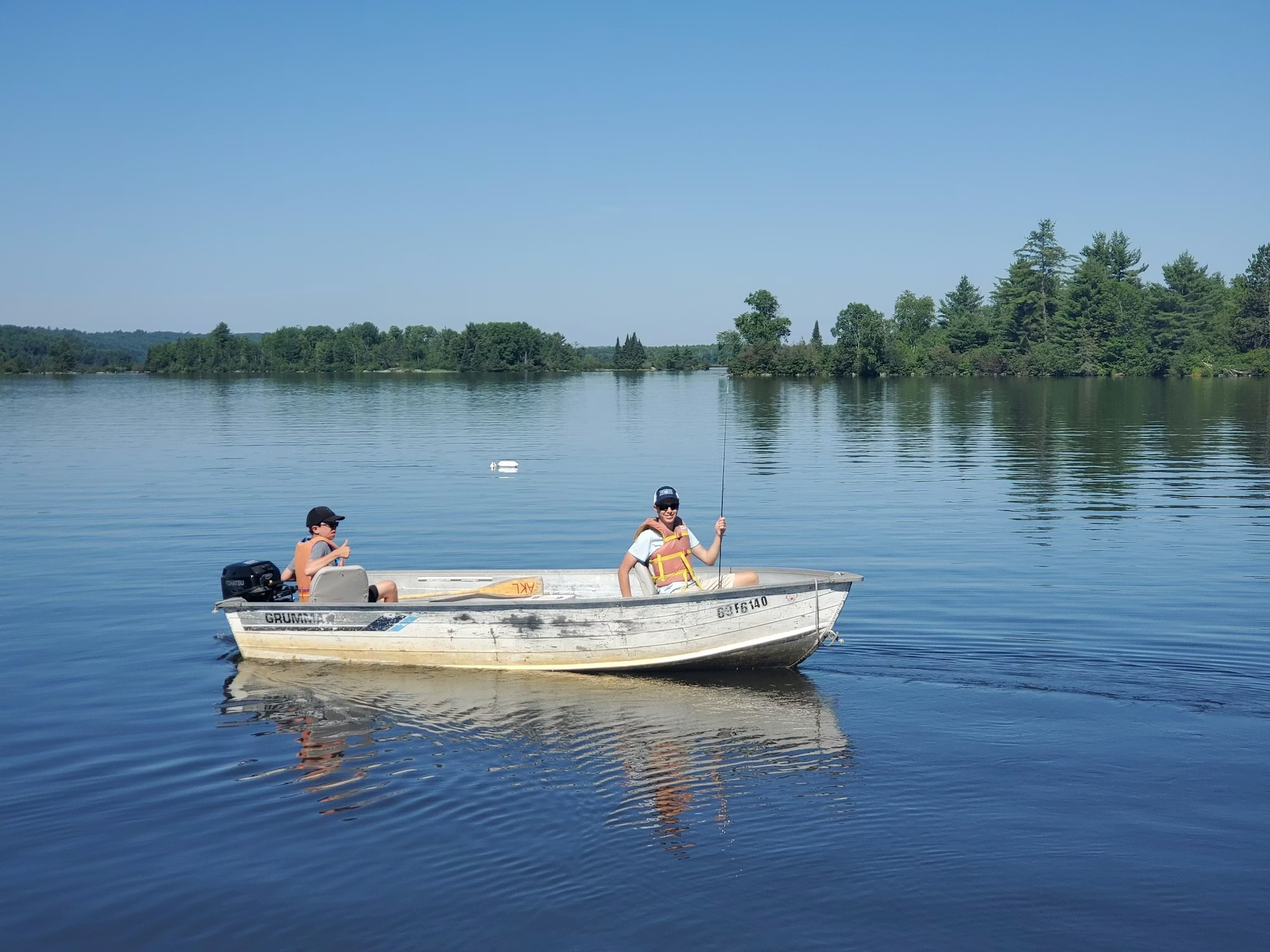
Exploring the Art of Catch and Release: A Sustainable Fishing Practice

Fishing is a cherished pastime that not only offers a chance to connect with nature but also plays a significant role in conservation efforts. Among the various methods practiced by anglers, catch and release fishing has gained popularity for its sustainability and ecological benefits. This article explores the art of catch and release, discussing its importance for fish populations, effective techniques, and the positive impact it has on the fishing community.

1. Understanding Catch and Release Fishing

Catch and release fishing involves capturing fish and then returning them unharmed to their natural habitat. This practice is particularly vital for maintaining healthy fish populations and ecosystems. By allowing fish to be caught multiple times, anglers contribute to a balanced environment where fish can continue to thrive and reproduce.

The rise of catch and release can be attributed to increased awareness of overfishing and habitat degradation. Many species face threats from habitat loss, pollution, and climate change. By adopting catch and release practices, anglers can actively participate in conservation efforts and ensure that future generations can enjoy the sport.

2. The Benefits of Catch and Release

The benefits of catch and release extend beyond conservation; they also enhance the fishing experience. Anglers who practice catch and release often report a greater sense of fulfillment. The focus shifts from merely catching fish to appreciating the entire fishing experience, including the beauty of nature and the thrill of the fight.

Furthermore, catch and release allows anglers to engage with the sport over a longer period. When fish are returned to the water, they can be caught again, providing more opportunities for anglers to enjoy the excitement of landing a fish. This cyclical nature of catch and release fosters a deeper connection to the environment and a more profound respect for aquatic life.

3. Techniques for Successful Catch and Release

To maximize the effectiveness of catch and release, anglers should adopt specific techniques that minimize stress and injury to fish. Here are some key practices:

a. Use Appropriate Gear

Selecting the right gear is essential for successful catch and release. Lighter tackle and barbless hooks can reduce the chances of injury to the fish. Using a landing net with a rubberized mesh can help avoid damaging the fish’s skin and protective slime layer.

b. Minimize Handling

Handling fish should be kept to a minimum. When lifting a fish out of the water, use wet hands or a wet cloth to avoid removing the protective slime. This slime is crucial for the fish’s health and helps prevent infections. If possible, keep the fish in the water while removing the hook, as this reduces stress on the fish.

c. Release Quickly

The longer a fish is out of water, the greater the risk of stress and injury. Aim to return the fish to the water as quickly as possible. If you’re taking a photo, do so swiftly, and return the fish to the water immediately after.

d. Assess Fish Condition

Before releasing a fish, take a moment to assess its condition. If the fish appears to be exhausted or injured, consider keeping it for consumption, if permitted, or giving it extra time in the water to recover before release. Observing the fish’s behavior can guide your decision to ensure its survival.

4. The Role of Education and Awareness

Education plays a crucial role in promoting catch and release practices. Anglers, particularly newcomers, can benefit from learning about the ecological importance of this practice and how to implement it effectively. Fishing organizations and clubs often provide resources and workshops to educate anglers on sustainable practices and conservation efforts.

Many regions have specific regulations and guidelines regarding catch and release, including restrictions on certain species or size limits. Staying informed about these regulations is essential for responsible angling and can help protect local fish populations.

5. Community Impact and Conservation Efforts

The impact of catch and release fishing extends beyond individual anglers; it influences entire communities and ecosystems. By practicing catch and release, anglers contribute to the conservation of local fisheries, ensuring that fish populations remain robust and healthy.

Many fishing tournaments now incorporate catch and release as a primary focus, encouraging participants to embrace sustainable practices. These events not only promote responsible fishing but also raise awareness about conservation issues, fostering a sense of community among anglers dedicated to protecting their natural resources.

Organizations dedicated to aquatic conservation often partner with anglers to monitor fish populations, study habitat health, and implement restoration projects. Through these collaborations, the fishing community can have a tangible impact on local ecosystems and wildlife.

6. The Future of Fishing: A Sustainable Path Forward

As awareness of environmental issues continues to grow, the future of fishing will likely see an increased emphasis on sustainability. Catch and release fishing stands at the forefront of this movement, representing a responsible and ethical approach to angling. Anglers who embrace this practice not only enhance their own fishing experiences but also contribute to the health of aquatic ecosystems.

Incorporating sustainable practices into fishing culture requires ongoing commitment from both individual anglers and the broader community. By sharing knowledge, advocating for responsible practices, and participating in conservation efforts, the fishing community can play a pivotal role in ensuring that future generations can enjoy the beauty of fishing.

Conclusion: A Collective Responsibility

Catch and release fishing is more than just a technique; it embodies a philosophy of stewardship and respect for nature. By prioritizing the health of fish populations and the environment, anglers can enjoy the sport they love while ensuring its sustainability for years to come. As we continue to navigate the challenges posed by climate change and habitat degradation, embracing catch and release practices is a collective responsibility that can help safeguard our natural resources.

Fishing is not just about the thrill of the catch; it is an opportunity to connect with nature, foster community, and promote conservation. As anglers cast their lines into the water, they contribute to a legacy of sustainability that honors the beauty and diversity of aquatic life, allowing future generations to share in the joys of fishing.

Exploring the Joy of Golf: Formats That Elevate the Game

Golf is a sport that combines skill, strategy, and a deep appreciation for the outdoors. Its various formats not only create exciting competition but also foster friendships and camaraderie among players. Understanding these formats can transform your golfing experience, whether you’re playing casually with friends or participating in a serious tournament. In this article, we will explore different golf formats, their unique features, and how they contribute to the rich tapestry of this beloved game.

Stroke Play: The Classic Challenge

Stroke play is the traditional format that most golfers are familiar with. In this format, players tally the total number of strokes they take to complete a round, with the player recording the lowest score being declared the winner. This straightforward scoring system emphasizes consistency and skill, requiring players to focus on every single shot.

The beauty of stroke play lies in its ability to challenge players to manage their game meticulously. Every hole presents unique obstacles, and how golfers strategize each shot can significantly impact their overall performance. Before the round, players often take the time to analyze the course layout, considering factors such as elevation changes, hazards, and wind conditions to devise a plan that suits their playing style.

Moreover, mental discipline is a critical component of success in stroke play. Maintaining concentration throughout the round can be challenging, as even a single lapse can lead to dropped strokes. Many golfers adopt pre-shot routines to help focus their minds and calm their nerves. By cultivating a disciplined approach, players can enhance their performance and enjoy the game more fully.

Match Play: Head-to-Head Excitement

Match play offers a thrilling alternative to stroke play, where two players (or teams) compete against each other hole by hole. In this format, the player with the lowest score on each hole wins that hole, and the match continues until one player has won more holes than the other. This creates a dynamic and engaging experience, as players must continually adapt their strategies based on their opponent’s performance.

The psychological aspect of match play adds an intriguing layer to the competition. For instance, if one player falls behind, they may choose to take more risks to try to catch up, while the leader might adopt a more conservative strategy to protect their advantage. The ebb and flow of the match create excitement, with fortunes shifting from hole to hole.

Additionally, communication is essential in match play, especially in team formats. Partners must collaborate to develop tactics that leverage their strengths and exploit their opponents’ weaknesses. Celebrating successes and supporting each other during challenges fosters a strong sense of camaraderie, enhancing the overall experience.

Fourball Match Play: Team Dynamics

Fourball match play features two teams of two players each, where each player plays their own ball, and the lowest score from each team on each hole is recorded. This format emphasizes teamwork while allowing individual skills to shine. The collaborative aspect creates a lively atmosphere, making it a favorite for friendly competitions.

To succeed in fourball, effective communication is key. Players should discuss their strengths and how they can complement each other’s games. For instance, if one player excels at driving while the other is a better putter, they can strategize accordingly to maximize their chances of winning holes.

This format also encourages a spirit of support and encouragement. Players cheer each other on, celebrating great shots and rallying during tough moments. The shared experience of navigating the course together strengthens bonds and creates lasting memories.

Foursomes Match Play: A Test of Trust

Foursomes match play, also known as alternate shot, is another team format that requires players to alternate hitting the same ball. One player tees off on odd-numbered holes, while the other takes the first shot on even-numbered holes. This format demands trust and coordination, as players must rely on each other for every shot.

To thrive in foursomes, partners need to practice together to build a sense of rhythm and understanding. Discussing strategies and preferences for shot selection ensures that both players are aligned and confident in their approach. This collaboration not only improves their performance but also fosters a deeper connection between teammates.

The alternating shots create a sense of accountability, as players must support each other throughout the round. This format encourages a shared journey, where both players celebrate successes and learn from challenges, making the experience even more rewarding.

Scramble: Fun and Flexibility

Scramble tournaments are known for their relaxed and fun atmosphere. In this format, each player on a team hits a tee shot, and the best shot is selected for the next stroke. This process continues until the ball is holed, allowing teams to capitalize on each player’s strengths.

One of the best aspects of a scramble is the emphasis on teamwork and collaboration. Before the round, teams often discuss their skills and preferences, allowing players to understand how to work together effectively. This cooperative spirit not only enhances performance but also cultivates a sense of enjoyment and camaraderie among teammates.

The relaxed nature of scramble formats makes them ideal for social events and corporate outings, where the focus is on fun rather than competition. Players share laughs and experiences, creating lasting friendships while enjoying the beauty of the course.

Skins Game: High Stakes and Strategy

In a skins game, players compete for individual holes, with each hole assigned a specific value, or skin. The player with the lowest score on a hole wins that skin, and if no player wins outright, the skin carries over to the next hole, increasing the stakes as the game progresses. This format introduces an exciting competitive element that keeps players engaged throughout the round.

The strategic nature of a skins game requires players to assess risks carefully. Leading players might opt for a more conservative approach to protect their skins, while those trailing may need to take risks to catch up. This interplay creates tension and excitement, making every hole significant.

The format also encourages players to engage in friendly banter and competition, adding to the fun and enjoyment of the game. The stakes make for exhilarating moments on the course, where every shot counts.

Stableford: Scoring with a Twist

Stableford scoring offers a refreshing twist on traditional formats, awarding points based on the number of strokes taken relative to a predetermined score on each hole. Players accumulate points throughout the round, with the highest total declared the winner. This format allows for a more aggressive style of play, as players can still score points even if they exceed par on a hole.

The point system encourages players to take calculated risks, knowing that even a solid par can yield points. Understanding the scoring system allows golfers to adjust their strategies based on their current standing, creating a dynamic and engaging experience.

Stableford formats also promote a more relaxed atmosphere, as players can focus on scoring points rather than solely minimizing strokes. This flexibility can lead to a more enjoyable round, where players can embrace the challenge without the pressure of traditional scoring.

Best Ball: Individual Excellence in a Team Setting

Best ball tournaments combine individual performance with team success, allowing each player to showcase their skills while contributing to the team’s overall score. Each player plays their own ball throughout the round, but only the best score from the team is recorded for each hole. This format encourages healthy competition and collaboration.

Teams should openly communicate about their strengths and strategize accordingly. Understanding when to take risks based on current scores can help maximize the team’s potential. Best ball formats not only highlight individual talents but also foster collaboration, making them enjoyable for golfers of all skill levels.

The friendly competition inherent in best ball tournaments enhances the overall experience, creating connections and lasting memories among participants.

Alternate Shot: Trust and Teamwork

The alternate shot format requires players to form pairs and take turns hitting the same ball until it is holed. This format tests the partnership, as players must rely on each other for every shot. Trust and coordination are essential for success in this format.

Before the round, partners should practice together to build a sense of rhythm and understanding. Discussing strategies and preferences for shot selection ensures alignment in their approach. The shared experience of navigating the course together enhances the bond between partners and makes the round memorable.

Supporting each other through challenges and celebrating successes create a rewarding environment, making alternate shot a beloved format among golfers.

Conclusion: Embracing Golf’s Diversity

The various formats in golf offer a wealth of opportunities to enjoy the sport in exciting and unique ways. Each format presents its own challenges and strategies, allowing golfers to adapt their games and engage with others meaningfully. Whether participating in a high-stakes match play event or enjoying a relaxed scramble with friends, understanding these formats can significantly enhance enjoyment and performance.

By exploring these diverse formats and honing your skills, you can deepen your appreciation for the game, create lasting memories on the course, and build connections with fellow golfers. So gather your friends, choose a format that excites you, and immerse yourself in the joy that golf has to offer.

Exploring the Wonders of Freshwater Fishing

Freshwater fishing is a cherished pastime that invites anglers to explore serene lakes, winding rivers, and tranquil ponds. It’s a blend of skill, patience, and a profound appreciation for nature. In this article, we’ll delve into the various techniques used in freshwater fishing, share tips for successful outings, and highlight the unique experiences that come with each method.

At its core, freshwater fishing can be divided into several popular techniques, each offering its own set of challenges and rewards. Among these, angling remains the most widely practiced method. Angling involves using a rod, reel, and bait to catch fish, making it an accessible entry point for beginners. The choice of bait—whether live or artificial—can significantly influence success, so understanding what attracts specific species is crucial. Beginners should start by familiarizing themselves with the equipment and practicing their casting technique, as a well-placed line can make all the difference.

One popular sub-category of angling is spinning, which utilizes a spinning rod and reel to cast lightweight lures or baits. This method is particularly effective for targeting species such as bass, trout, and panfish. Spinning offers the thrill of active fishing; the angler retrieves the lure in a manner that mimics the movement of prey, enticing fish to strike. The rhythmic action of casting and reeling can be meditative, allowing anglers to connect with their surroundings.

Fly fishing is another captivating technique that takes patience and skill to master. Using a specialized fly rod, reel, and weighted line, anglers cast artificial flies that imitate insects or baitfish. The art of fly fishing lies not just in the casting but in understanding the water and the behavior of fish. This technique is often practiced in picturesque settings, where the serenity of nature enhances the experience. Observing fish behavior and adapting to environmental conditions can lead to memorable catches and a deep sense of satisfaction.

In addition to traditional angling methods, net fishing can be an effective way to gather fish, particularly in shallow waters. Techniques like casting nets allow anglers to throw circular nets with weights to encircle schools of fish. This method not only increases the chances of a bountiful catch but also creates a communal aspect to fishing, as friends and family can join in the fun of casting and pulling in the nets. Another form of net fishing, seining, employs larger nets dragged through the water to trap fish. While often used commercially, these methods can be adapted for recreational use, highlighting the versatility of fishing techniques.

For those interested in passive fishing, fish traps offer an intriguing option. These traps allow fish to enter through openings while preventing them from escaping. Setting traps in known hotspots can yield consistent catches while encouraging sustainable practices by minimizing bycatch. This method embodies the essence of fishing—patience and the thrill of the unknown.

Ice fishing is a unique branch of freshwater fishing that captivates many during the colder months. Anglers drill holes into frozen lakes and use specialized gear to catch fish beneath the ice. Ice fishing transforms the angling experience into a cozy adventure, often involving shelters to protect against the cold. The anticipation of waiting for a bite, combined with the beauty of winter landscapes, creates unforgettable moments. Ice fishing gatherings can also foster camaraderie, as friends share tips, stories, and, of course, hot drinks to keep warm.

Another engaging method is handline fishing, which utilizes a simple line held in hand. This technique is particularly appealing for those fishing from shore or a boat, allowing for a direct connection with the catch. The simplicity of handline fishing encourages anglers to appreciate the basics of the sport while developing a keen sense of timing and technique. By selecting the right bait and hook size, anglers can target specific species effectively.

Jigging is another dynamic freshwater fishing method that involves using a jig—essentially a weighted lure—jerked up and down to attract fish. This technique can be particularly effective in deeper waters, where fish may be less active. By varying the speed and motion of the jigging, anglers can discover what entices fish to bite, adding an exciting layer to the fishing experience. The thrill of feeling a tug on the line while jigging enhances the connection to the water and its inhabitants.

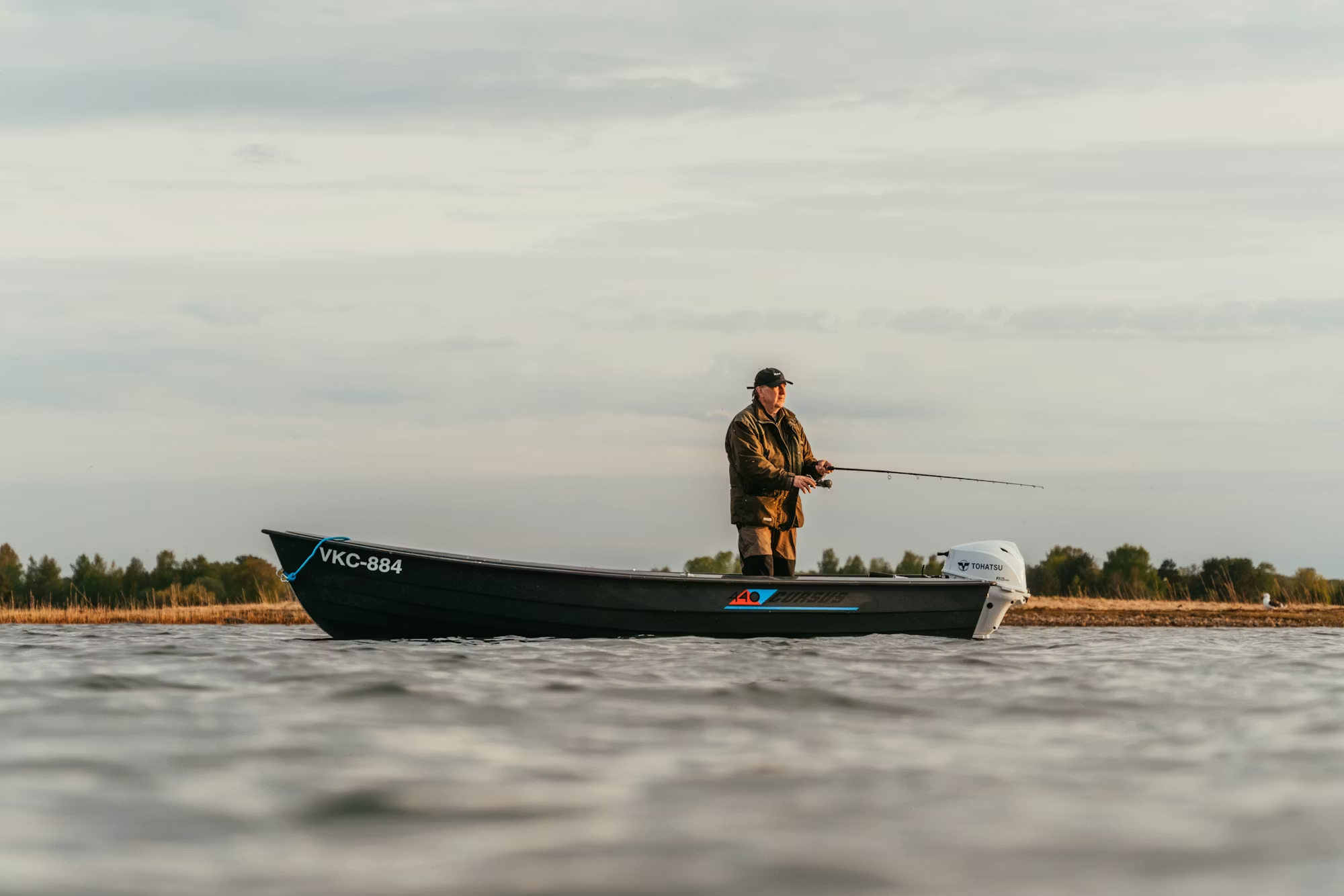
Trolling is another method often employed in freshwater fishing, particularly when targeting larger species. This technique involves dragging bait or lures behind a moving boat, covering expansive areas of water and increasing the chances of hooking fish. Trolling allows anglers to experiment with different depths and distances, tailoring their approach to the conditions. The excitement of a sudden strike while trolling can lead to exhilarating moments on the water, making it a favorite among seasoned anglers.

In every fishing expedition, sustainable practices play a vital role. Anglers are increasingly encouraged to adopt responsible methods that ensure the health of fish populations and their habitats. Catch and release practices not only promote conservation but also provide the opportunity for anglers to enjoy the thrill of fishing without negatively impacting fish stocks. By prioritizing sustainability, anglers can contribute to the preservation of aquatic ecosystems for future generations.

The beauty of freshwater fishing lies not only in the techniques employed but also in the experiences shared. Whether you’re fishing alone to unwind or with friends and family for a day of laughter and connection, each outing creates lasting memories. The thrill of a catch, the serenity of nature, and the joy of camaraderie blend to create a unique tapestry of experiences that define the fishing journey.

In conclusion, freshwater fishing is a multifaceted activity that offers something for everyone. From the simplicity of angling to the artistry of fly fishing, each technique provides opportunities for adventure and connection with nature. As anglers explore various methods, they are invited to embrace the beauty of the outdoors and the thrill of the chase. By adopting sustainable practices, we ensure that future generations can share in the joy of fishing, preserving the traditions that enrich our lives. Ultimately, fishing is about more than just catching fish; it’s about forging connections, cherishing moments, and celebrating the wonders of the natural world.

Discovering the Underwater World: A Guide to Diving Adventures

The underwater world is a realm of beauty and mystery, offering adventurers a chance to explore vibrant ecosystems and encounter fascinating marine life. Whether you’re a seasoned diver or a curious beginner, the myriad of underwater activities available can provide a lifetime of memorable experiences. From the colorful reefs of the Caribbean to the serene waters of a secluded lake, diving into the depths can reveal the hidden wonders of our planet. This article serves as a guide to various underwater adventures, including scuba diving, snorkeling, freediving, and the importance of marine conservation.\n\nScuba diving is one of the most popular forms of underwater exploration, allowing enthusiasts to immerse themselves in the aquatic environment using self-contained underwater breathing apparatus (SCUBA). With the right training and certification, divers can explore incredible underwater landscapes, from coral reefs to historic shipwrecks. Locations such as the Great Barrier Reef, the Maldives, and the Red Sea are famed for their diverse marine ecosystems and breathtaking underwater scenery, attracting divers from all corners of the globe.\n\nBefore embarking on a scuba diving adventure, it’s essential to undergo proper training and certification through recognized organizations like PADI or SSI. These courses teach divers essential skills such as buoyancy control, underwater navigation, and emergency procedures. The feeling of accomplishment after completing a certification course not only enhances confidence but also deepens appreciation for the underwater world. Scuba diving fosters a unique bond with nature, as divers learn to respect and protect the delicate ecosystems they explore.\n\nFor those who prefer a more accessible introduction to the underwater world, snorkeling offers a fantastic alternative. All that is needed is a mask, snorkel, and fins to glide along the surface, observing the colorful life beneath. Popular snorkeling destinations such as the Caribbean and the Great Barrier Reef provide breathtaking views of marine life, making it an enjoyable experience for individuals and families alike. Snorkeling is a perfect way to introduce children to the wonders of the ocean, as it allows them to witness schools of fish and vibrant coral gardens without the complexities of scuba gear.\n\nIn addition to being an exciting activity, snorkeling promotes an appreciation for marine ecosystems. The simplicity of snorkeling invites participants to take their time and soak in the beauty of their surroundings. As snorkelers float atop the water, they can observe the dynamic interactions between various species, fostering a sense of wonder and curiosity about marine life.\n\nFreediving, or apnea diving, elevates the experience by focusing on breath-holding techniques rather than relying on scuba gear. Freedivers develop their ability to relax and control their breath, allowing them to explore underwater environments at depths that vary depending on their skill level. This discipline emphasizes mindfulness and connection with the ocean, as divers learn to synchronize their movements with the natural rhythm of the water.\n\nCompetitive freediving has gained popularity, with various disciplines challenging individuals to push their limits in static apnea or dynamic apnea events. The community surrounding freediving is supportive and encouraging, with divers celebrating personal achievements while emphasizing safety and respect for the ocean. The tranquility of freediving creates a unique experience, allowing participants to appreciate the beauty of underwater landscapes in a meditative state.\n\nWhile recreational diving offers a sense of adventure, commercial diving plays an essential role in various industries. Professional divers engage in underwater construction, inspection, and research, often utilizing specialized equipment to accomplish their tasks. Their work helps maintain and protect underwater infrastructure while contributing to scientific discoveries and environmental conservation efforts.\n\nOne exciting aspect of diving is underwater photography and videography, which allows divers to capture the stunning beauty of marine life and ecosystems. By using specialized underwater cameras, divers can document their experiences, sharing the beauty of the ocean with others and promoting awareness about marine conservation. This artistic outlet encourages individuals to become advocates for the protection of marine environments, inspiring others to appreciate the underwater world.\n\nCave diving offers a different type of adventure, allowing divers to explore submerged cave systems. This discipline requires specialized training, as navigating confined spaces presents unique challenges. Cave divers must adhere to strict safety protocols while marveling at the stunning geological formations and ecosystems found within the caves. Each dive becomes a journey through time, revealing the intricate processes that shaped these unique environments.\n\nIce diving is another captivating discipline, where divers explore beneath frozen surfaces. This experience requires specialized gear and training, as navigating under ice-covered lakes or seas can be challenging. The beauty of submerged ice formations creates a surreal environment, offering divers an extraordinary perspective on the underwater world.\n\nNight diving presents divers with the opportunity to observe nocturnal marine life, showcasing a different side of the ocean. Equipped with specialized lights, divers illuminate the darkness, revealing the vibrant colors and unique behaviors of marine creatures active during the night. This serene experience allows divers to connect with the ocean in an entirely new way, enhancing their appreciation for its diverse ecosystems.\n\nBoth reef diving and wreck diving provide unique experiences for those seeking adventure beneath the waves. Reef diving focuses on exploring the diverse ecosystems found in coral reefs, where colorful fish, intricate coral formations, and various marine species create breathtaking underwater landscapes. Each dive feels like an exploration of a living tapestry, showcasing the beauty and complexity of the natural world.\n\nWreck diving, on the other hand, allows divers to explore the fascinating history of sunken ships and aircraft. These submerged sites serve as artificial reefs, attracting marine life while providing a glimpse into the past. Each wreck tells a story, and divers often feel a connection to history as they navigate through these underwater relics, merging the thrill of exploration with the intrigue of historical discovery.\n\nUltimately, the underwater world offers a plethora of activities that cater to different interests and skill levels. Whether you’re captivated by the beauty of coral reefs, intrigued by the history of shipwrecks, or drawn to the tranquility of freediving, each underwater experience fosters a deeper connection with the ocean and its inhabitants. Embracing these adventures not only enriches our lives but also emphasizes the importance of marine conservation. As we explore the wonders beneath the waves, we are reminded of our responsibility to protect these precious ecosystems for generations to come.

Exploring the Evolution of Skateboarding Culture

Skateboarding has come a long way since its humble beginnings in the 1950s. What started as a simple pastime for surfers looking to ride the pavement has evolved into a multifaceted sport with a vibrant culture and diverse styles. The evolution of skateboarding reflects changes in technology, society, and artistic expression, making it a fascinating subject for both enthusiasts and newcomers alike. This article explores the history of skateboarding, the different styles that have emerged, and the community that binds skaters together.

The roots of skateboarding can be traced back to California, where surfers began to adapt their surfing skills to land. These early skateboarders, often referred to as “sidewalk surfers,” used wooden boards with roller skate wheels attached, creating a rudimentary form of the sport. As the popularity of skateboarding grew, manufacturers began producing more specialized boards designed for different riding styles. The 1970s marked a pivotal moment in skateboarding history, with the introduction of urethane wheels that provided better grip and smoother rides, revolutionizing the sport.

As skateboarding gained momentum, various styles began to emerge. Street skateboarding, for instance, became a prominent form of expression during the late 1970s and early 1980s. This style emphasizes creativity and adaptability, as skaters utilize urban environments—curbs, stairs, handrails, and other obstacles—as their playground. Street skating not only showcases technical skill but also allows riders to demonstrate their personal style and connection to their surroundings. The culture surrounding street skating fosters a sense of community, as skaters often gather to share tips, tricks, and encouragement, reinforcing the idea that skateboarding is as much about camaraderie as it is about individual prowess.

The rise of skate parks in the 1980s further contributed to the evolution of skateboarding culture. These dedicated spaces provided skaters with an opportunity to practice and hone their skills in a controlled environment. Skate parks often feature ramps, bowls, and various obstacles, allowing riders to experiment with different tricks and techniques. The social aspect of skate parks is undeniable; they serve as hubs where skaters of all ages and backgrounds come together to share their passion for the sport. Competitions held in these parks showcase the incredible talent of skaters while fostering a sense of belonging within the community.

Vert skateboarding emerged as another significant style during the 1980s, characterized by riding in halfpipes and on vertical ramps. This discipline emphasizes aerial tricks and spins, requiring skaters to master the art of height and speed. The thrill of soaring through the air and executing gravity-defying maneuvers attracts a dedicated following, who find joy in pushing their limits. The competitive nature of vert skating has led to the organization of numerous events, where skaters showcase their skills and creativity in front of enthusiastic crowds. These competitions not only highlight individual talent but also serve to unite the skateboarding community in celebration of their shared passion.

Bowl and pool skating represents yet another dimension of skateboarding culture. Originating in the 1970s, this style focuses on carving and riding in large, bowl-shaped structures or empty swimming pools. The fluidity of bowl skating allows riders to connect with the space, creating a rhythmic dance as they navigate the curves and transitions. The artistry involved in bowl skating is captivating, with skaters executing tricks that harmonize with the contours of the bowl. The communal atmosphere in bowl skating often leads to a sense of celebration, as skaters cheer each other on, fostering an environment of support and encouragement.

Freestyle skateboarding, on the other hand, emphasizes technical tricks performed on flat surfaces. This discipline allows skaters to showcase their balance, coordination, and creativity through intricate routines. Tricks can range from simple spins to complex sequences involving footwork and board manipulation. The focus on individuality in freestyle skating encourages skaters to express themselves and develop signature moves that reflect their personalities. Competitions in freestyle skateboarding celebrate this creativity, inviting participants to showcase their personal flair and originality. The supportive atmosphere within the freestyle community nurtures innovation, pushing skaters to refine their techniques and explore new ideas.

Longboarding introduces a different approach to skateboarding, focusing on leisurely rides and transportation rather than tricks. Longboards are designed for cruising and carving, offering stability at higher speeds. This style emphasizes the joy of movement, encouraging riders to connect with their surroundings as they glide through neighborhoods or along scenic routes. The longboarding community thrives on a shared appreciation for the sport, with skaters organizing group rides and events to celebrate their passion for cruising. The sense of freedom experienced while longboarding fosters a deep connection between riders and their environment, making it a beloved aspect of skate culture.

Downhill longboarding presents an exhilarating challenge, as riders navigate steep hills at impressive speeds. This discipline requires skill, awareness, and quick reflexes, as skaters must anticipate changes in terrain and make split-second decisions. The thrill of downhill riding attracts adrenaline seekers, offering an unparalleled rush while testing their abilities. Longboarding events often bring riders together, creating a strong sense of community as they share their experiences and encourage one another to embrace the thrill of speed.

Slalom skateboarding introduces a competitive edge to the sport, focusing on navigating courses filled with cones and obstacles. This discipline emphasizes precision, agility, and quick reflexes, as skaters weave through tightly spaced cones while maintaining speed. Slalom racing showcases technical skills and allows participants to master their boards to execute sharp turns. The excitement of competition fosters camaraderie among participants, with skaters exchanging techniques and strategies to enhance their performance. This sense of community reinforces the idea that skateboarding is not just an individual pursuit but a collective experience shared among enthusiasts.

As skateboarding continues to evolve, off-road or all-terrain skateboarding, often referred to as mountain boarding, offers a unique opportunity to explore the great outdoors. This discipline involves specialized boards with larger wheels, designed to tackle rough terrains like dirt trails and grassy hills. The thrill of off-road skateboarding combines the excitement of riding with the beauty of nature, inviting skaters to embrace new environments and challenges. The community surrounding mountain boarding thrives on shared adventures, with skaters seeking out new trails and pushing their limits while supporting one another in their endeavors.

Crossover styles have also emerged, blending elements from different disciplines and inviting skaters to experiment and innovate. This fusion showcases the versatility of skaters as they adapt their techniques to fit various environments. The blending of street and park elements highlights the creativity inherent in skateboarding, where each rider brings their personal flair to the sport. This innovative approach contributes to the ever-changing landscape of skateboarding, allowing the culture to flourish and grow.

In conclusion, skateboarding is a dynamic and evolving sport that embodies creativity, community, and culture. Each style offers unique opportunities for self-expression and connection, inviting individuals to explore their passions and share their love for the sport. From the streets to the ramps, skateboarding fosters a sense of belonging among participants, creating lasting friendships and memories. As the skateboarding community continues to grow and adapt, the essence of movement, artistry, and camaraderie remains at its core, ensuring that the culture will thrive for generations to come.

Diving into the Blue: A Journey Through the Different Types of Diving Experiences

The world beneath the ocean’s surface is one of the most mysterious and awe-inspiring places on Earth. For centuries, humans have been captivated by the ocean’s vastness, and as technology has advanced, so too has our ability to explore it. Diving, in its many forms, has become one of the most popular ways to experience the beauty and excitement of the underwater world. Whether you’re a beginner seeking a peaceful snorkel or an expert aiming to conquer deep underwater caves, there’s a diving discipline for every adventure-seeker.

Diving is not just an activity; it’s a gateway to discovering ecosystems that are otherwise hidden from view. The ocean is full of diverse marine life, shipwrecks, coral reefs, and underwater landscapes that hold a wealth of history and natural wonder. Each diving activity offers something different, catering to a variety of interests and skill levels.

Scuba Diving: Exploring the Depths of the Ocean

Scuba diving is the most well-known form of recreational diving. With the help of scuba equipment, which includes a tank of compressed air, a regulator, a mask, and fins, divers are able to explore the underwater world at greater depths than snorkeling allows. Scuba diving enables you to breathe underwater, which provides the freedom to swim freely while observing marine life, coral reefs, and submerged structures like shipwrecks.

What makes scuba diving so popular is the accessibility it offers. Most scuba diving experiences are designed to be beginner-friendly, with easily attainable certifications like the Open Water Diver course, which allows individuals to dive up to 60 feet (18 meters). This introductory level opens up the opportunity to explore shallow reefs and underwater environments, offering a world of marine life that is usually just below the surface.

For those who want to go further, more advanced courses such as Advanced Open Water Diver and Rescue Diver certifications unlock deeper dives and more complex environments, such as shipwrecks and even diving in caves. While scuba diving is safe for most people with proper training, divers must learn important skills such as buoyancy control, navigating underwater, and managing their air supply.

Scuba diving is more than just an activity; it’s a way to connect with nature and experience the wonders of the ocean. Many divers find joy in the tranquility of the water, the beauty of the coral reefs, and the thrill of encountering exotic marine creatures, from schools of fish to sea turtles and sharks.

Freediving: The Art of Breath-Holding Exploration

Freediving, also known as apnea diving, is a discipline that has grown in popularity in recent years. Unlike scuba diving, freediving requires no breathing apparatus—divers rely solely on their ability to hold their breath while exploring underwater. Freediving can be done in shallow waters or at great depths, depending on the diver’s experience and training.

The appeal of freediving lies in its simplicity. Freedivers only need a mask, fins, and a snorkel—equipment that is both lightweight and portable. But it’s not just the simplicity that draws people to freediving; it’s also the unique way it allows divers to connect with the ocean. Freedivers move through the water in complete silence, which enables them to approach marine life without disturbing it. There’s a meditative quality to the experience as divers learn to control their breath and relax into the water.

While freediving may seem easy on the surface, it actually requires considerable training. Freedivers must learn how to control their breathing, conserve energy, and stay calm while underwater. In fact, mental preparation is just as important as physical conditioning in freediving. The ability to hold your breath for extended periods and dive to significant depths requires a deep understanding of your body’s limits and the capacity to push them further.

Freediving also includes competitive aspects, with events such as static apnea (holding your breath while stationary), dynamic apnea (swimming underwater on a single breath), and depth disciplines that involve diving to extreme depths. Some elite freedivers can dive well beyond 300 feet (90 meters) on a single breath.

Snorkeling: A Gateway to Underwater Discovery

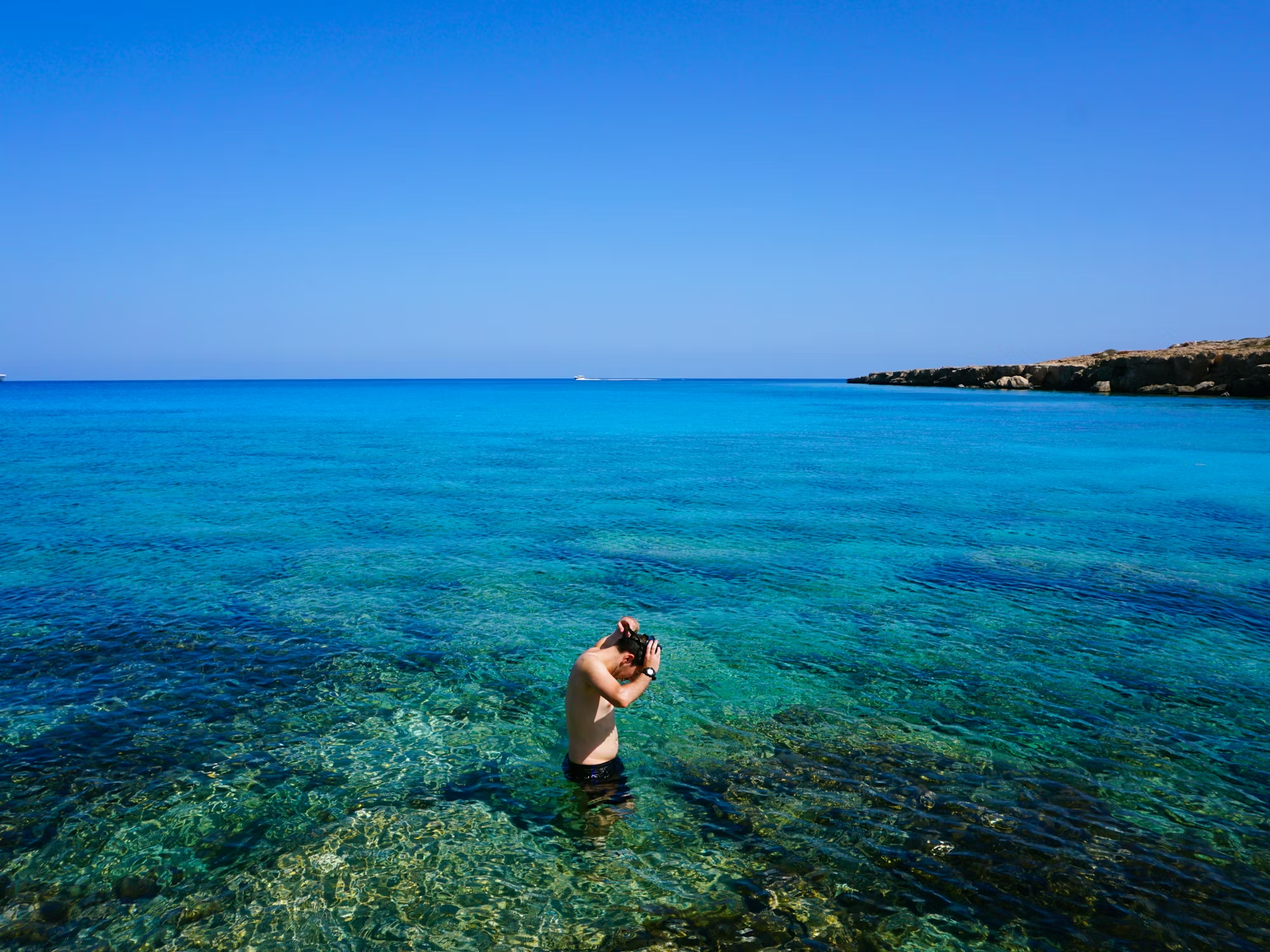
For many people, snorkeling is the first step into the world of underwater exploration. It is the most accessible form of diving, requiring minimal equipment and training. Snorkeling involves floating on the surface of the water while using a mask, snorkel, and fins to observe marine life in shallow areas, often above coral reefs or near coastal ecosystems.

What makes snorkeling so appealing is its simplicity. You don’t need any certification, and the equipment is relatively inexpensive. Snorkelers can easily access most locations, from tropical reefs to calm lakes, and explore the shallow underwater environments. Whether in warm, crystal-clear waters or slightly murkier coastal zones, snorkeling allows individuals to enjoy the sights of marine life without going deep into the ocean.

Snorkeling can be an ideal activity for families, beginners, or those who simply want to enjoy the ocean without the need for complex gear or training. While snorkeling doesn’t offer the same depth of exploration as scuba diving or freediving, it still provides the opportunity to witness vibrant coral reefs, schools of fish, and perhaps even larger marine animals like rays and sea turtles.

Technical Diving: Pushing the Boundaries of Exploration

Technical diving is a more advanced and specialized form of diving that goes beyond the typical recreational dive. It involves the use of specialized equipment, gases, and techniques to dive deeper, stay longer, and explore more complex environments such as caves, wrecks, and extreme depths.

One of the most exciting aspects of technical diving is the ability to explore underwater caves, wrecks, and other areas that are not accessible through recreational diving. Cave diving, in particular, requires advanced training due to the dangerous nature of navigating through tight and often dark passages. The diver must have the knowledge and skill to handle emergencies, navigate without visibility, and deal with the physical stress of diving in confined spaces.

Technical divers use specialized gear such as rebreathers, which recycle exhaled air, allowing them to stay underwater for longer periods without needing to surface. They may also use gas mixtures like trimix (a blend of oxygen, nitrogen, and helium) to reduce the risk of nitrogen narcosis and oxygen toxicity during deep dives.

While technical diving offers incredible opportunities for exploration, it also carries greater risks. Divers must undergo extensive training to learn how to manage the complexities of deep dives, decompression procedures, and emergency protocols. It’s an activity reserved for those who are looking for a challenge and are ready to push the limits of what’s possible.

Commercial Diving: Professional Diving for Industry

Commercial diving is a professional form of diving that is focused on underwater work in various industries such as construction, maintenance, salvage, and marine research. Commercial divers perform important tasks such as underwater welding, inspection of submerged structures, pipeline repair, and scientific research.

Unlike recreational divers, commercial divers often work in challenging and high-risk environments. They may be required to dive in murky waters, extreme depths, or even under ice, where visibility and conditions can be difficult. To handle these demanding situations, commercial divers use specialized equipment, including diving helmets, suits, and underwater tools.

Training for commercial diving is rigorous and involves learning a range of technical skills, such as welding, salvage operations, and using underwater tools. Many commercial divers also specialize in a specific area, such as saturation diving, which involves living in pressurized chambers and diving at extreme depths for extended periods.

Commercial diving offers excellent career opportunities, with many divers working in the oil and gas industry, underwater construction, or marine research. It requires a combination of physical strength, technical knowledge, and the ability to work under pressure.

Underwater Photography: Capturing the Ocean’s Wonders

Underwater photography has become a popular hobby and profession for those who want to document the beauty of the ocean and its ecosystems. With the help of specialized cameras, waterproof housings, and lighting equipment, underwater photographers can capture images of marine life, coral reefs, and the unique underwater landscapes that few people ever see.

One of the biggest challenges in underwater photography is dealing with the limitations of underwater lighting. Water absorbs light differently than air, and the deeper you go, the less natural light there is. Photographers must often use strobes or flashlights to illuminate their subjects and capture vibrant images.

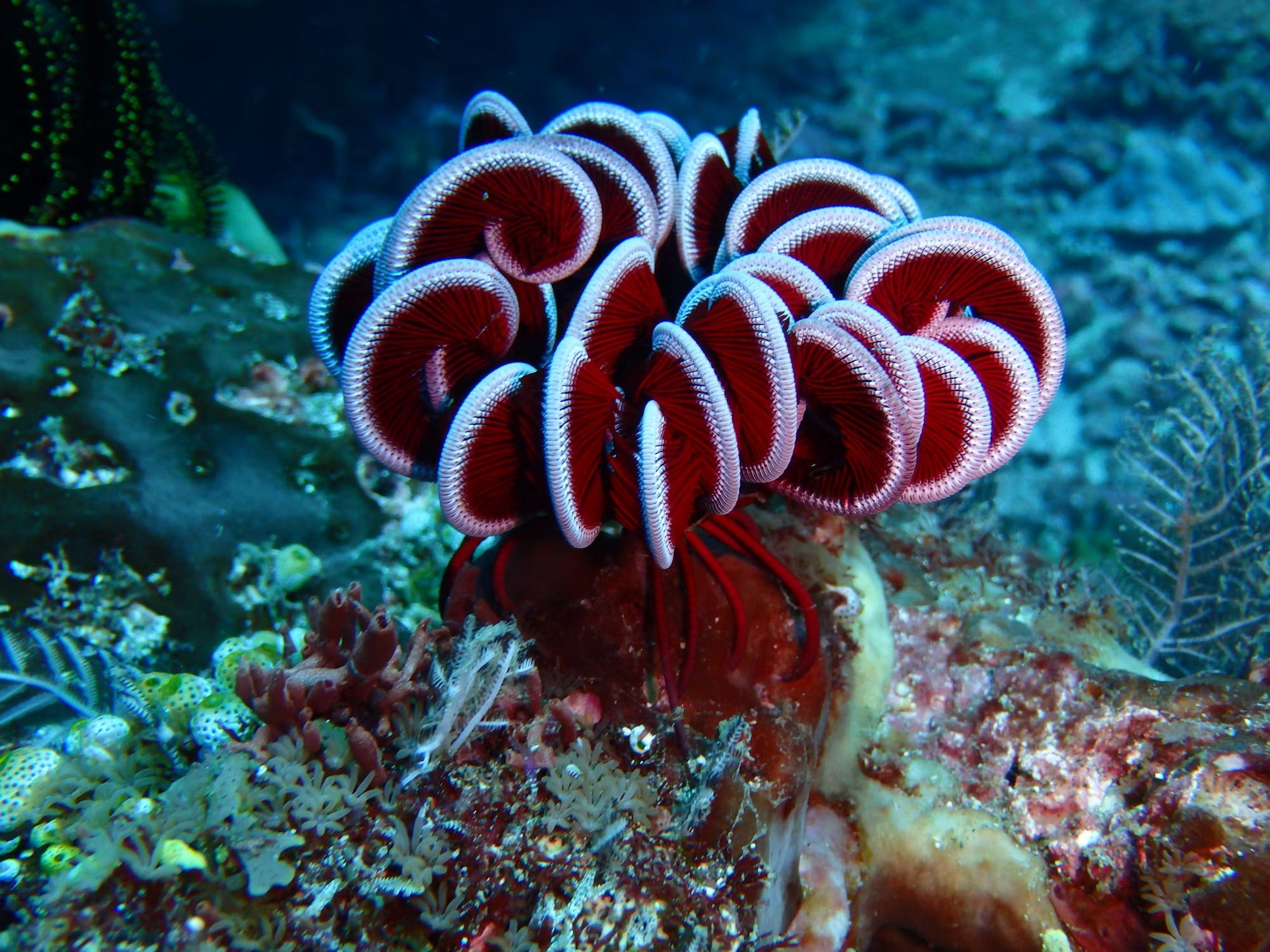
Underwater photographers may focus on a variety of subjects, from wide-angle shots of coral reefs to close-ups of small marine creatures like seahorses and macro critters. Many photographers also use their work to raise awareness about marine conservation and the importance of protecting our oceans and marine ecosystems.

Conclusion: Dive into Adventure

Diving is an activity that offers something for everyone, from the casual snorkeler to the experienced technical diver. Whether you’re exploring coral reefs, swimming with marine life, or navigating underwater caves, each diving discipline offers its own set of challenges and rewards.

The ocean is vast and mysterious, but diving provides us with the tools to uncover its secrets. With the right training and equipment, anyone can explore this incredible world, whether for relaxation, adventure, or professional purposes. Dive into the blue and discover the wonders of the underwater realm.

Exploring the World of Freestyle BMX: Tricks, Community, and Culture

Freestyle BMX is a thrilling and visually stunning sport that has captivated riders and spectators alike since its inception in the 1970s. Combining elements of acrobatics, creativity, and athleticism, freestyle BMX showcases the extraordinary skills of riders as they perform a range of tricks on their bikes. This article will explore the various aspects of freestyle BMX, including the key tricks, the community that thrives around it, and the culture that continues to evolve.

The origins of freestyle BMX can be traced back to California, where young riders began to imitate motorcycle stunts using their bicycles. These early enthusiasts quickly developed their own tricks and styles, paving the way for the sport’s growth. By the 1980s, freestyle BMX gained popularity, leading to the establishment of competitions and a dedicated following. Over the years, freestyle BMX has diversified into several disciplines, each with its unique characteristics, equipment, and community.

One of the most recognizable aspects of freestyle BMX is the variety of tricks riders can perform. These tricks can be categorized into several groups, including flatland, street, vert, and park riding. Flatland BMX involves performing tricks on flat surfaces, showcasing balance and control. Riders often execute spins, slides, and intricate foot placements, creating a dance-like quality in their performances. Street riding, on the other hand, takes place in urban environments, where riders use obstacles like railings, stairs, and curbs to showcase their skills. The creativity required in street riding fosters a unique connection between the rider and their environment.

Vert riding is characterized by riding on half-pipes or ramps, allowing riders to gain height and perform aerial tricks. Riders launch themselves into the air, executing flips, spins, and other maneuvers before landing back on the ramp. This discipline requires not only skill but also fearlessness, as riders push the boundaries of what is possible. Park riding combines elements of street and vert, taking place in skateparks equipped with various ramps, bowls, and obstacles. Park riders often adapt their style, seamlessly transitioning between different features to create fluid runs filled with innovative tricks.

In addition to the technical skills involved, freestyle BMX is about creativity and personal expression. Riders often develop their own signature tricks and styles, which helps to define their identity within the community. This emphasis on creativity allows riders to push the limits of the sport, constantly evolving and inventing new tricks. Social media platforms have further amplified this aspect, enabling riders to share their performances and connect with others around the world. The freedom to express oneself through riding is a core value of freestyle BMX, attracting a diverse range of participants who find joy in the sport.

The freestyle BMX community is a vibrant tapestry of individuals who share a passion for riding. Riders of all ages and backgrounds come together at skateparks, competitions, and events, fostering a sense of camaraderie that is truly unique. Many riders begin their journey as children, influenced by peers or inspired by videos of professional riders. As they progress, they often develop lasting friendships, forming a support system that encourages growth and development within the sport. The community is built on mutual respect and encouragement, where experienced riders share tips and techniques with newcomers, fostering an inclusive environment.

Competitions play a significant role in the freestyle BMX community, providing opportunities for riders to showcase their skills and gain recognition. Events range from local jams to international competitions, attracting participants from around the globe. The thrill of competing against others drives riders to improve their skills and attempt new tricks, often leading to impressive performances. Judges evaluate riders based on technical execution, creativity, and style, creating an atmosphere of excitement and camaraderie. Whether a rider is competing or simply cheering on friends, competitions serve as a focal point for the community, bringing people together to celebrate their shared passion.

As the sport has evolved, so too has the culture surrounding freestyle BMX. From clothing and music to art and skateboarding, the influences of youth culture are deeply embedded in the sport. Riders often express themselves through fashion, choosing apparel that reflects their personal style. Influential brands and riders have emerged, shaping trends and creating a sense of identity within the community. Music also plays a vital role, with many riders curating playlists that energize their sessions. The synergy between music and riding creates an atmosphere of creativity and excitement, enhancing the overall experience.

Moreover, art and design have become integral components of freestyle BMX culture. Many riders showcase their skills through photography and videography, capturing the essence of their rides and sharing them online. Artists often create vibrant graphics and designs inspired by the sport, further enriching the community. The collaboration between riders and artists fosters a dynamic exchange of ideas, resulting in unique visual expressions that reflect the spirit of freestyle BMX.

Environmental awareness is becoming increasingly relevant within the freestyle BMX community. Many riders are passionate about protecting the parks and spaces where they ride, advocating for sustainable practices and responsible usage. Initiatives such as clean-up events and awareness campaigns highlight the importance of maintaining the environments that foster their passion. This commitment to stewardship reinforces the connection between riders and their surroundings, ensuring that future generations can enjoy the thrill of freestyle BMX.

The global reach of freestyle BMX has also contributed to its rich culture. Events such as the X Games and BMX World Championships attract riders from different countries, showcasing diverse styles and approaches. This exchange of ideas and techniques fosters a sense of unity within the community, inspiring riders to learn from one another and broaden their perspectives. The sport transcends borders, creating a shared passion that connects people worldwide.

As technology advances, the equipment used in freestyle BMX has seen significant innovations. Bikes are now lighter, more durable, and designed for specific riding styles, allowing riders to perform at their best. These advancements enhance the overall riding experience, enabling riders to explore new tricks and push the boundaries of their capabilities. Moreover, the rise of virtual platforms has made it easier for riders to connect, share, and learn from one another, further strengthening the global freestyle BMX community.

In conclusion, freestyle BMX is more than just a sport; it embodies a vibrant culture that celebrates creativity, community, and personal expression. From the diverse tricks and styles to the camaraderie among riders, the essence of freestyle BMX is deeply rooted in a passion for riding. As the sport continues to evolve, its culture remains a testament to the enduring spirit of its participants, inviting new riders to join the adventure and share in the joy of riding.

Exploring the World of Fishing: Techniques and Tips for Every Angler

Fishing is an age-old activity that has evolved into a beloved pastime for millions worldwide. Whether you’re casting a line in a tranquil lake or navigating the open sea, understanding different fishing techniques can enhance your experience and improve your chances of a successful catch. In this article, we will explore various fishing methods, their unique characteristics, and tips for anglers looking to broaden their skills.

One of the most popular forms of fishing is angling, which involves using a rod, reel, and bait. Angling can be divided into several techniques, two of the most common being spinning and fly fishing.

Spinning is favored for its simplicity and versatility. Anglers use a spinning rod and reel to cast lures or live bait, which can attract a wide range of fish species. The spinning technique is particularly effective for both freshwater and saltwater fishing, making it a go-to choice for many. To enhance your spinning experience, it’s essential to select the right lure based on the fish species and water conditions. Brightly colored lures may be more effective in murky waters, while more natural tones work well in clear environments. Experimenting with different retrieval speeds can also help you find the most effective approach.

Fly Fishing is another specialized form of angling that has captured the hearts of many. This technique uses a fly rod, reel, and weighted line to cast artificial flies that mimic insects or small baitfish. Fly fishing requires a certain level of skill and practice, particularly in mastering the art of casting. Successful fly fishing often hinges on the principle of matching the hatch—using flies that resemble the insects that fish are currently feeding on. Additionally, understanding the behavior of fish during different seasons and times of day can significantly increase your chances of a catch.

Beyond angling, net fishing offers a different approach to catching fish, allowing for larger hauls. This method encompasses various types of nets, each suited for specific environments and target species.

Casting Nets are circular nets that anglers throw by hand into the water, where they sink and trap fish beneath when pulled back. This technique is particularly effective in shallow waters where fish tend to congregate. Learning the right technique for throwing a casting net can take some practice, but with persistence, you’ll find it to be a rewarding method for catching bait or smaller fish.

Seine Nets are larger nets that are typically dragged through the water, either from the shore or by a boat. This method allows for the capture of schools of fish, making it a popular choice for commercial fisheries. Seine netting requires teamwork and coordination, as it often involves multiple anglers working together to maximize their catch while minimizing disruption to the surrounding ecosystem.

Traps and Pots are another efficient way to catch fish and crustaceans. Fish traps, which have one or more entrances, capture fish that swim in but cannot escape. Crab pots and lobster traps, on the other hand, are designed specifically for catching these popular seafood options. When setting traps, it’s crucial to place them in areas known for high crustacean activity and to use bait that will attract the desired species.

Trawling is a commercial fishing technique that employs large nets to capture a variety of marine species. It can be broken down into two main types: bottom trawling and midwater trawling.

Bottom Trawling involves dragging a net along the ocean floor to capture fish and other marine organisms. While this technique can yield substantial catches, it also raises environmental concerns, as it can disrupt delicate marine habitats. Many countries are working on sustainable practices to reduce the negative impact of bottom trawling on ecosystems.

Midwater Trawling, in contrast, targets pelagic fish by dragging nets through the water column. This method allows for more selective catches and is often favored for its reduced impact on the ocean floor compared to bottom trawling. Understanding the migratory patterns and behaviors of pelagic species can help anglers and commercial fishermen alike optimize their midwater trawling efforts.

For those seeking adventure beneath the waves, spearfishing offers a thrilling experience. This technique involves hunting fish underwater using a spear gun or pole spear. Spearfishing can be categorized into two main styles: free diving and scuba diving.

Free Diving requires the angler to hold their breath while diving, which emphasizes skill and the ability to navigate underwater environments. This method allows for close encounters with marine life and can be incredibly rewarding, as it encourages a deeper appreciation for the ocean and its inhabitants. Scuba Diving, on the other hand, allows for longer dives and deeper exploration. Using scuba gear, anglers can target larger species and experience the underwater world in greater detail. Both styles of spearfishing require knowledge of local regulations and a commitment to sustainable practices to ensure the preservation of fish populations.

Ice Fishing is a unique method practiced in colder regions during winter months. Anglers drill holes in frozen lakes and ponds, using specialized rods, bait, and often shelters to stay warm. This method offers a different kind of challenge, as fish behavior changes in colder conditions. Utilizing sonar devices can help anglers locate fish beneath the ice, increasing their chances of success.

Handline Fishing is a straightforward yet effective technique that involves a single fishing line held in the hand. This method is accessible for anglers of all skill levels, as it requires minimal equipment. Handline fishing can target various fish species, depending on the bait and location. It’s a popular choice for casual fishing trips and is often employed in both freshwater and saltwater environments.

Jigging is another dynamic fishing technique that employs a jig—an enticing fishing lure. Anglers use a jerking motion to mimic the movement of bait, attracting fish to strike. This method is effective from a stationary position, making it ideal for targeting species that respond well to vertical movement. The rhythm and timing of jigging are crucial, making it an engaging challenge for many anglers.

Finally, trolling involves dragging bait or lures behind a moving boat to entice fish. This method is particularly effective for larger fish species and allows anglers to cover large areas of water. By adjusting the depth and distance of the lines, anglers can target different species and increase their chances of a catch. Trolling also provides a unique opportunity to enjoy the scenic views of the surrounding environment while actively fishing.

For those looking to add a unique twist to their fishing adventures, noodling offers a hands-on approach. This unconventional method involves capturing fish by hand in shallow waters, particularly targeting catfish. Noodling requires a deep understanding of fish behavior, as anglers often reach into hiding spots to grab the fish directly. It combines skill, patience, and a bit of bravery, making it an exhilarating experience.

In conclusion, the world of fishing is vast and varied, offering techniques to suit every angler’s preference. Whether you’re a beginner or an experienced fisherman, exploring different methods can enhance your fishing experience and deepen your connection with nature. As you embark on your next fishing adventure, remember to respect local regulations, practice sustainable fishing, and, most importantly, enjoy the journey. Grab your gear, choose your method, and discover the thrill of fishing!

Cycling Adventures: Discovering the World on Two Wheels

Cycling has a unique ability to bring people together, fostering a sense of community while also providing an outlet for adventure and exploration. From the thrill of racing on smooth roads to the joy of leisurely rides through picturesque landscapes, cycling offers something for everyone. This article delves into the various disciplines of cycling, shares inspiring stories from fellow cyclists, and discusses the transformative power of this activity.

The Many Facets of Cycling
Cycling is not just a singular activity; it encompasses a wide range of disciplines, each with its own characteristics and appeal. Understanding these different forms can help potential cyclists choose the right path for their interests and skills.

1. Road Cycling: This is the most traditional form of cycling and includes road racing, endurance rides, and casual rides with friends. Road cyclists often train on smooth, paved surfaces, competing in events such as the famous Tour de France, which tests both physical endurance and strategy.
– Road Racing: Involves competitive events that can vary from short sprints to multi-day stage races. Road racers need to develop both speed and stamina, often training for months to prepare for significant competitions.
– Endurance Riding: Long-distance cyclists engage in rides that challenge their limits. Events like randonneuring involve riding for extended hours, sometimes covering hundreds of miles in a single day, emphasizing both mental and physical resilience.

2. Mountain Biking: For those who crave adventure and nature, mountain biking is an exhilarating choice. Riders navigate rugged trails, steep climbs, and thrilling descents, combining endurance with technical skill. Mountain biking allows cyclists to experience the great outdoors in a way that few other activities can.
– Cross-Country (XC): Focuses on endurance and climbing skills, with courses that often include varied terrains. Cyclists must possess both stamina and technical prowess to navigate challenging paths.
– Downhill (DH): This discipline emphasizes speed and skill as riders descend steep and often treacherous trails, performing jumps and navigating obstacles. The adrenaline rush is unmatched.
– Enduro: A blend of cross-country and downhill, enduro races feature timed downhill segments interspersed with untimed uphill sections, requiring cyclists to excel in both speed and endurance.

3. BMX (Bicycle Motocross): Known for its high-energy racing and freestyle tricks, BMX has captivated many young riders. Competitions take place on dirt tracks with jumps and obstacles, while freestyle BMX showcases incredible tricks and maneuvers.
– Racing: Short, intense races that test speed and agility, often drawing large crowds and fostering a sense of community among competitors.
– Freestyle: Involves performing tricks on ramps or urban obstacles, allowing riders to express their creativity and skill.

4. Cyclocross: A unique discipline that combines elements of road and mountain biking, cyclocross races take place on varied terrains including grass, mud, and sand. Riders frequently dismount to navigate obstacles, making it a challenging and exciting sport.

5. Bike Touring: For many, cycling is about exploration. Bike touring allows riders to travel long distances, discovering new landscapes and cultures. Whether embarking on a solo adventure or joining a group, bike touring offers an immersive experience that creates lasting memories.
– Touring can take many forms, from multi-day journeys across countries to day trips exploring local attractions. Cyclists often form bonds during these travels, sharing stories and experiences.

The Benefits of Cycling
Cycling is not only a source of joy and adventure; it also offers a multitude of health benefits. Regular cycling can improve cardiovascular health, increase muscle strength, and enhance flexibility. As a low-impact exercise, it is accessible to people of all ages and fitness levels.

Beyond physical health, cycling has profound mental benefits. The rhythmic motion of pedaling can serve as a form of meditation, alleviating stress and enhancing mood. Many cyclists describe the post-ride euphoria, often referred to as the “cycling high,” where feelings of happiness and accomplishment prevail. This mental clarity can lead to increased productivity and a more positive outlook on life.

Inspiring Stories from the Cycling Community
Cycling brings together individuals with diverse backgrounds, and each cyclist has a unique story to tell. Here are a few inspiring narratives that highlight the transformative power of cycling:

– Emily’s Journey: After moving to a new city, Emily felt disconnected and isolated. Seeking a way to meet new people, she joined a local cycling group. Through group rides and events, she not only improved her fitness but also formed lifelong friendships. Emily now leads group rides herself, inspiring others to embrace cycling as a means of connection and exploration.

– Carlos’s Adventure: Carlos, an avid cyclist, decided to embark on a cross-country bike tour to raise funds for charity. Over the course of several months, he rode thousands of miles, sharing his story through social media. The experience not only tested his physical limits but also brought awareness to a cause he deeply cared about, showcasing how cycling can be a platform for positive change.

– Maya’s Triumph: Maya, who had struggled with self-confidence, took up cycling as a way to improve her physical and mental health. Through consistent training and participation in local races, she built her confidence and found a supportive community. Cycling empowered her to embrace challenges in all aspects of life.

Building a Cycling Community
One of the most rewarding aspects of cycling is the sense of community it fosters. Cycling clubs and groups offer opportunities for riders to connect, share experiences, and support each other. Many communities organize events, charity rides, and workshops, creating a welcoming environment for cyclists of all skill levels.

Participating in group rides not only helps individuals improve their skills but also fosters friendships and camaraderie. Many cyclists find motivation and encouragement from their peers, which can be especially beneficial for those new to the sport.

Safety Considerations for Cyclists
While cycling is an enjoyable and fulfilling activity, safety must always be a priority. Here are some essential tips for cyclists:
– Wear a Helmet: A properly fitted helmet is crucial for protection in case of falls or accidents.
– Follow Traffic Rules: Cyclists should obey all traffic signals and signs, ensuring safety for themselves and others.
– Use Hand Signals: Indicating turns and stops with hand signals promotes awareness among drivers and other cyclists.
– Stay Visible: Wearing bright clothing and using lights, particularly in low-light conditions, enhances visibility and safety.
– Regular Maintenance: Keeping your bike in good working order is essential for safe riding. Regularly check brakes, tires, and gears to ensure everything is functioning properly.

Conclusion
Cycling is a rich and diverse activity that provides countless benefits, from improved health and mental well-being to a strong sense of community. Whether you’re racing, mountain biking, or enjoying a leisurely ride, the joy of cycling is evident. So, grab your bike and venture into the world of cycling—discover the freedom, adventure, and friendships that await you on two wheels.